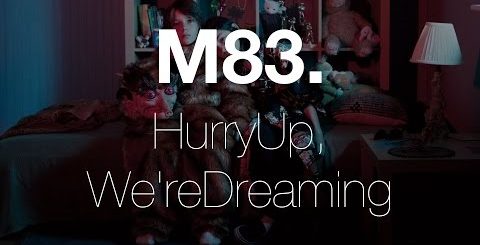
Outro by M83 Lyrics Meaning – Unraveling the Majesty of Personal Sovereignty
- Music Video
- Lyrics
-
Song Meaning
- A Sovereign’s Soliloquy – Proclaiming the Thrones of Our Minds
- Weathering the Storms of Dust – The Struggle Against Ephemeral Conflicts
- Dance of the Dream Creatures – An Ode to Imagination’s Allies
- Of Eternity and Kingship – The Hidden Meaning Behind the Royal We
- ‘I’m Your King’ – The Memorable Line That Crowns the Song’s Essence
Lyrics
Facing tempests of dust, I’ll fight until the end
Creatures of my dreams, raise up and dance with me
Now and forever
I’m your king
M83’s ‘Outro’ is a track that transcends mere musicality to become a poetic declaration of autonomy and resilience. With its cinematic soundscape and soaring melodies, the song has the capacity to transform the listener’s environment into an introspective battlefield.
The lyrics, though minimal, pack a potent punch of symbolism and intent, opening a window into the psyche of a person confronting the tempests of life with grit and intricate self-determination. Here, we dissect the song’s lyrical content to uncover the profound essence the band has encapsulated in a few, yet striking, lines.
A Sovereign’s Soliloquy – Proclaiming the Thrones of Our Minds
The outset of this musical narrative paints a picture of grandeur and solitude. ‘I’m the king of my own land’ is not merely a statement of ego but an affirmation of ruling one’s inner world and narrative. Much like a monarch surveying their domain, this is about taking responsibility and ownership over one’s life and the choices within it.
This declaration sets the stage for a philosophical contemplation on self-governance. It’s not just about the external trappings of power but rather a representation of leading oneself through the various stages of life, each decision a decree, and every challenge, a battle to reinforce one’s sovereignty.
Weathering the Storms of Dust – The Struggle Against Ephemeral Conflicts
In these verses, ‘tempests of dust’ symbolize the transient yet impactful troubles and conflicts that cloud our judgment and obstruct our path. To ‘fight until the end’ conveys an unwavering commitment to persist despite the uncertainties and fleeting turmoil thrust upon us.
It’s a profound reminder of the human spirit’s capability to endure, to pierce through the dusks of despair with the swords of our will. The struggle thus becomes less about external triumph and more about the inner victories we claim when we maintain our course through life’s inevitable storms.
Dance of the Dream Creatures – An Ode to Imagination’s Allies
Arguably one of the most visually evocative lines, ‘Creatures of my dreams, raise up and dance with me,’ speaks to the intimate relationship between the dreamer and the dreamed. It’s an invitation to the figments of our aspirations and fantasies to join us in the reality of our present.
These fantastical entities symbolize the hopes and dreams that we often keep hidden. By invoking them to dance, there’s a suggestion of liberation, of setting free those innermost yearnings and allowing them to infuse our daily existence with their rhythm and color.
Of Eternity and Kingship – The Hidden Meaning Behind the Royal We
The pronouns ‘I’ and ‘your’ juxtapose the self-ascribed royalty with an address to someone else, perhaps the listener or an aspect of the narrator’s personality. This enigma invites interpretation and positions the narrator as a timeless entity, ruling a domain beyond physical geography.
‘Now and forever’ is a phrase of immortal tenure. It extends the song’s scope into a timeless realm, implying that this sovereignty, these dream creatures, and the fight to persevere are not locked in temporality but are part of a larger, perpetual journey of identity.
‘I’m Your King’ – The Memorable Line That Crowns the Song’s Essence
This recurring line is both anchor and compass. It’s the succinct reiteration of self-empowerment and the personal declaration that caps off the song. Yet, ‘I’m your king’ can also be viewed as a line of reassurance, a pledge of dedication not just to the self, but to the listener or to whatever entity the ‘your’ represents.
It’s memorable not only for its simplicity but also for its open-endedness. The song leaves us pondering over our own kingdoms, the tempests we face, the dream creatures we summon, and the sovereignty we embody or aspire to — making ‘Outro’ not just an anthem for one, but a universal ode to the reign of self.