Pedestal by Portishead Lyrics Meaning – Unraveling the Mystery Behind the Melancholy
Lyrics
Where the wind blows dry
Through the force of a man
Undenied by his eye, oh
You abandoned me
How I suffer
Ridicule breathes a sigh
You abandoned me
Lost forever
Hush, can you hear?
Enter and rejoice this pedestal
Where the rainbows hide
Your destiny
Mystery of all time, oh
No time make or reason
Ridicule breathes a sigh
No time, make or reason
Hush, hear him cry
No time, make or reason
No time, make or reason
No time, make or reason
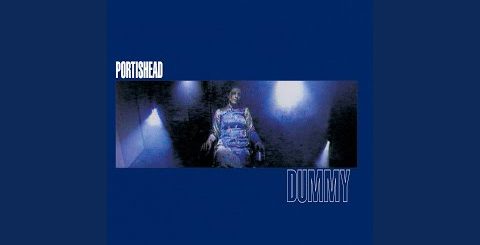
Portishead’s ‘Pedestal’, a lesser-known gem from their critically acclaimed album ‘Dummy’, weaves an enigmatic tapestry of loss and yearning. Through the lilt of Beth Gibbons’ haunting voice, the song’s lyrics explore the depths of abandonment and the complex dance between dejection and the lofty heights of fated recognition.
The nuanced delivery paired with the band’s signature trip-hop beat brings forth an atmosphere of introspection that invokes the sacred and profane. Here we peer into the mercurial heart of ‘Pedestal’, parsing its lyrics to tease out the layered meanings and the poignancy that it quietly, yet powerfully, ensconces.
The Winds of Displacement – A Soul Unmoored
The opening lines of ‘Pedestal’ set the stage with a sense of leaving or being left behind. The image of the wind blowing dry ‘through the force of a man undenied by his eye’ can be seen as the unflinching gaze of one who has suffered rejection. The elemental force of the wind here symbolizes both the cause and effect of this emotional desertion, as if even nature conspires to echo the emptiness of the abandoned.
Gibbons’ impassioned delivery of ‘You abandoned me’ lets the sentiment linger, a raw declaration that pulls listeners into a vortex of empathy. Every repetition of the line ‘Ridicule breathes a sigh’ reveals the biting mock, a sound that’s both an exhalation of resignation and a mocking whisper—a universal human emotion that resonates deeply.
Ascension to the ‘Pedestal’ – A Quest for Destiny
‘Enter and rejoice this pedestal’ is an invocation that seems to both mock and magnify the pain of rejection. The pedestal, a solitary place high above the masses, where ‘the rainbows hide’, suggests a nirvana that is as alluring as it is inaccessible. It is the ultimate promise of escape from suffering, a destination where one’s destiny might be safely harbored.
Yet, to stand upon such a pedestal is to be subjected to the gaze of others, to become an object of admiration or envy. In the context of the song, this pedestal is also a place of solitude, a domain where the mysteries of life (‘Mystery of all time’) perhaps can be contemplated but never fully grasped. It’s both a refuge and a prison, signifying the paradox at the heart of fame, recognition, or even self-realization.
The Hidden Meaning – Suffering as a Rite of Passage
Delving deeper into the song’s poignant undercurrents, it’s possible to glean that ‘Pedestal’ is not just about romantic abandonment but also about the suffering inherent in the human condition. This suffering, as presented in the text, appears as an inevitable rite of passage, a necessary walk through fire to reach a higher elevation of being or understanding.
Gibbons’ voice wavers as if carrying the weight of this knowledge. The recurring admonishment ‘Hush, can you hear?’ suggests a deeper listening, a call to attune to the quieter, often-overlooked wisdom that emerges through pain and adversity. It’s a reminder that within the whispers of ridicule and the sighs of sorrow, there’s a profound message to be discerned.
Unmoored from Time and Reason – The Eternal Moment of Pain
The refrain ‘No time, make or reason’ seems to detach the experience from the linear flow of life. Instead, Portishead introduces a narrative space of timelessness, underscoring the transcendent quality of the hurt being sung about. These lines evoke an emotion that is all-consuming, leaving no room for the rationalizations or consolations that time might provide.
This could suggest the universality and timelessness of the song’s central themes. Sadness and loss are feelings that eclipse the need for explanation, often leaving us without the words or reasons to justify the ache that ensues. The impenetrable barrier between experience and understanding is painstakingly rendered, translating the intangible to an almost tactile sensation.
The Heart’s Cries in Silence – Memorably Lyrical Desperation
One of the most gripping aspects of ‘Pedestal’ is its economy of language. Each word is weighted with meaning; the plea ‘Hush, hear him cry’ is a command to witness pain in its most unadulterated form. These memorable lines serve as a subdued outcry, encapsulating the overarching despair as much in what is left unsaid as in the actual lyrics.
As the final notes of the song fade, listeners are left to grapple with the stark loneliness embedded within. Pedestal, therefore, serves as an elegy that speaks to those yearning for reprieve. The beauty of the song is in its unspoken promise – that amidst the strife, there lies a profound connection to be found in shared human experiences, even if one is perched alone, atop a pedestal.