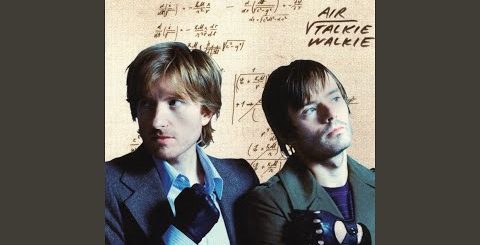
Photograph by Air Lyrics Meaning – Unveiling Nostalgia in Snapshot Symphonies
Lyrics
The angels cry to have your photograph
As if you were awfully made for life
As fortune favor fools like candle light
I would like to own your autograph
The angels fight to own your photograph
But you reckon on the photograph
Look at you provision on the night
In an era defined by fleeting digital images, the French electronic duo Air takes a moment to pause and reflect on the tangible essence of a ‘Photograph’ in their hauntingly beautiful track. With its melancholic synth lines and pensive lyrics, the song invites listeners into a contemplative space where the visual becomes an avenue for deeper existential musings.
Digging beneath the serene soundscape, one finds a tapestry of yearning, temporality, and ethereal desires. ‘Photograph’ is not merely an ode to a bygone medium but a metaphoric exploration of memories, legacy, and the human condition through Air’s eclectic ambient lens.
Through a Lens, Darkly: The Poignant Essence of Memory
When examining the opening lines, ‘I would like to own your photograph,’ we are instantly greeted by an almost possessive desire for a static image of someone cherished, hinting at the song’s broader lyrical journey through our relationship with remembrances. The yearning for ownership over a photograph reveals a fundamental human inclination to hold onto moments, to anchor our fleeting lives by capturing instance of connection with others.
Yet there’s a soft melancholy to this urge, propelled by the knowledge that photographs, much like the moments they encapsulate, are mere echoes of the past—beautiful, yet incapable of replacing the complexity and warmth of the original experience.
Angelic Envy: Unpacking the Metaphysical Longing
The recurrent theme of angels vying for the photograph opens a philosophical dialogue about the divine envy of human experiences. There’s a poetically sublime idea suggested here—that even celestial beings are drawn to the earthly emotion captured in a mere photograph. Ironically, it positions the mundane as something of divine intrigue, lending a sacredness to our everyday moments preserved on film.
Air’s use of ‘angels’ could also symbolize the sensation of loved ones lost yet watching over us, yearning for the concrete memories they’ve left behind in the world of the living. The line ‘the angels cry to have your photograph’ may evoke the transcendental connection between the physical and the spiritual planes through something as simple as a picture.
The Candle Light of Fortune: A Flicker in the Eternal
The simile ‘As fortune favors fools like candle light’ imparts a sense of impermanence and the capricious nature of existence. Candle light, with its warm yet fragile glow, is likened to the unpredictable smile of fortune—an acknowledgement that life’s blessings are as transient as they are illuminating. In this context, owning a photograph becomes a small rebellion against the transitory nature of joy and success.
This line serves as a poignant reminder of how humans grapple with the ephemeral quality of happiness. Air’s comparison invites us to consider photographs as keepers of the transient flame that is human contentment, a shelter from the wind of time.
Autographs of Existence: The Signature of Self in Stillness
By desiring an autograph, Air touches a different aspect of remembrance—authenticity and connection to the individual’s essence. An autograph is a personal mark, a signature of identity. Desiring someone’s autograph embedded in a plea for a photograph suggests a deeper longing for an intimate piece of their being, an acknowledgment from the person being captured that they recognize and engage with the longing of the admirer.
It also underscores the human need to seek validation from those we admire, to own a piece of their legacy. The angels’ battle over the photograph thus becomes a metaphor for our own internal conflicts, as we struggle with our desires to preserve and our need for personal significance.
Reflections in the Night: The Enigmatic Final Verses
‘But you reckon on the photograph / Look at you provision on the night,’ the closing lines deliver an enigmatic finish that echoes the ephemeral and the inevitable reckoning with time. The subject’s contemplation or ‘reckoning’ with the photograph implies a self-awareness or perhaps a realization that the image, once captured, starts its journey separate from the subject, living on in the perceptions of others.
The phrase ‘provision on the night’ mystically suggests the photograph as a source of sustenance, an emotional provision for the inevitable darkness of loneliness or oblivion. It speaks to the power that memories captured in photographs can have to comfort, to provide a beacon through our individual existential journeys when swathed in the night of uncertainty or grief.