Please, Please, Please, Let Me Get What I Want by The Smiths Lyrics Meaning – A Dive into Desperation and Desire
- Music Video
- Lyrics
-
Song Meaning
- A Symphony of Sorrow: The Smiths’ Lament for the Unlucky
- The Irresistible Pull of ‘Please’: Understanding Repetition and Pleas
- Dream Deferred: The Significance of Aspiration in the Human Condition
- Unraveling the Hidden Meaning: A First for Everything
- Echoes That Last: Memorable Lines and Their Resonance
Lyrics
See, the luck Ive had
Can make a good man
Turn bad
So please please please
Let me, let me, let me
Let me get what I want
This time
Havent had a dream in a long time
See, the life Ive had
Can make a good man bad
So for once in my life
Let me get what I want
Lord knows, it would be the first time
Lord knows, it would be the first time
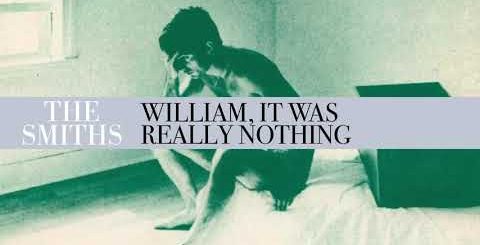
In the pantheon of the melancholic and the yearning, few songs distill the essence of desire as poignantly as The Smiths’ ‘Please, Please, Please, Let Me Get What I Want.’ Released in 1984 as a B-side to ‘William, It Was Really Nothing,’ the song has since transcended its initial secondary status to become a staple in the legacy of The Smiths, largely thanks to its haunting simplicity and raw emotional pull.
The beauty of the track lies in its brevity; at just under two minutes, it carries the weight of a desperate plea, a universal cry from the heart that lingers long after the final chord has been struck. Morrissey’s evocative vocals paired with Johnny Marr’s gentle, lilting melody create an anthem for the eternally hopeful and perpetually heartbroken. As we peel back the layers, the song’s deceptively simple lyrics reveal themes of disillusionment, hope, and the ceaseless quest for fulfillment.
A Symphony of Sorrow: The Smiths’ Lament for the Unlucky
At its core, ‘Please, Please, Please, Let Me Get What I Want’ is a symphony of sorrow, a ballad that captures the sentiment of an individual beleaguered by ill-fortune. The opening lines, ‘Good times for a change,’ drip with a sense of irony and resignation. It’s a whisper of optimism swiftly overshadowed by the stark reality of persistence in the face of apparent fate—a fate that ‘Can make a good man turn bad.’
The song captures a peculiar aspect of human psychology: the transformation that occurs when repeated misfortune wears down an individual’s innate goodness. It is this struggle against the erosion of one’s character that The Smiths articulate with minimalistic precision, leaving listeners ensnared in the bittersweet recognition of their own setbacks and adversities.
The Irresistible Pull of ‘Please’: Understanding Repetition and Pleas
Repetition in music can be a powerful tool for emphasis, and The Smiths masterfully employ it in the song’s pleading chorus. When Morrissey implores ‘Please, please, please,’ the repetition is not just for lyrical effect, but serves as a sonic embodiment of the desperation underlying the song’s theme. Each additional ‘please’ underscores a sense of urgency, a raw need that cannot be denied.
The repetition of ‘let me, let me, let me’ also feeds into the listener’s understanding of compulsion. The plea for the universe to yield, just this once, reflects the inherent human yearning for agency and control over one’s destiny—even if it’s only to get what one wants, just one time.
Dream Deferred: The Significance of Aspiration in the Human Condition
The lament, ‘Haven’t had a dream in a long time,’ underscores the bleakness one feels when their aspirations have been continuously thwarted. Dreams, often seen as a metaphor for hope and ambition, are essential for human growth and progress, and when they are absent, it signifies a deep-rooted despair.
Morrissey’s expression of this drought of dreams reveals the crippling effect of a life unfulfilled. The song then becomes a poignant commentary on the death of dreams, the sorrow of the unachieved, and the pain of potential that is never realized.
Unraveling the Hidden Meaning: A First for Everything
Beyond the immediate surface of wanting and yearning, lies the song’s hidden meaning—a first time for fulfillment. ‘Lord knows, it would be the first time’ isn’t just a throwaway line. It encapsulates an entire history of disappointment and the consequential lowering of one’s expectations from life.
The Smiths subvert the jovial notion of ‘a first time for everything’ by infusing it with a poignant twist. The first time, in this context, is not a milestone or a joyous occasion, but a last-ditch appeal for the tides to turn in favor of the downtrodden protagonist.
Echoes That Last: Memorable Lines and Their Resonance
Certain lyrics achieve an iconic status because they resonate with a universal experience. In the case of ‘Please, Please, Please, Let Me Get What I Want,’ the entire song reads like a collection of memorable lines, with perhaps the most striking being the titular plea itself. It has become an emotional shorthand for the moments when language fails to capture the depth of our desires.
Morrissey delivers each word with the gravity it deserves, creating an emotional resonance that has allowed these words to echo through the decades. ‘The life I’ve had can make a good man bad’ remains one of the most powerful lines, encapsulating the transformation caused by the world’s relentless grind and the subtle rebellion in hoping for more.