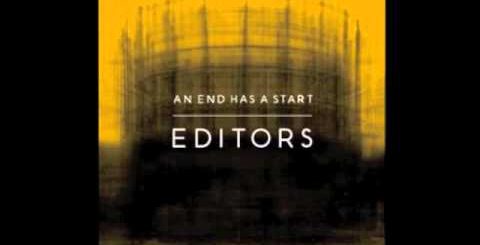
Push Your Head Towards The Air by Editors Lyrics Meaning – A Dive Into the Depths of Resilience and Hope
Lyrics
Down on the ground
Would you walk all over me?
Have we learned
What we set out to learn?
Well then, love, we will see
[Chorus:]
Now, don’t drown in your tears, babe
Push your head toward the air
Now, don’t drown in your tears, babe
I will always be there
When you fall and you
Can’t find your way
Push your hand up to the sky
I will run just to
To be by your side
Don’t you ever bat an eye
[Chorus]
But I will tear the price from your head
And keep you from harm – that’s what you said
There’s people climbing out of their cars
Lining the roadside, trying to glimpse at the dead
[Chorus]
Editors, known for their pensive lyrics and moody post-punk soundscape, weave a tapestry of resilience in their hymn ‘Push Your Head Towards The Air.’ Not merely a cluster of well-crafted verses, the song is a lifeline thrown into the sea of despair, a testament to the human spirit’s undying flame. Fans and critics alike have long dissected the layers beneath its deceivingly simple chorus and found rich veins of meaning and solace.
At the heart of this musical odyssey is a message that resonates with the troubled, the lost, and those teetering on the edge of hopelessness. It’s a call to rise — quite literally — above the floodwaters of our sorrows. But the song’s genius lies not only within its comforting arms but also within its haunting call to stare down our demons with defiant courage.
A Melancholic Rally Cry to the Beleaguered Soul
From the first line, Editors frontman Tom Smith beckons us into a world where vulnerability isn’t just palpable; it’s physical. There’s a painting drawn in sound, illustrating a person brought to their knees — quite literally laying face down on the ground. It’s in this prone position that the song opens its discourse: a visceral inquiry into whether the stumble and fall was worth the lesson presumably learned.
It’s the image of a person so wearied by life’s rigors that they might just allow the world to trample them further into submission. But this bleak opening serves as a mere contrast to the transformation that the song urges — a clarion call for those shadowed by tribulations to brace for an upward push, a push ‘towards the air’ and into the light.
Unraveling the Anthem of the Ascendant
The chorus’s lines, simple as they may seem, are the crux of the song’s profound message. ‘Don’t drown in your tears, babe, push your head toward the air,’ speaks to an emotional resurrection. This is not a passive suggestion, but a command to act against the drowning weight of despair. The repetition of this command throughout the song etches its urgency and significance deep into the listener’s consciousness.
Through the iteration and reiteration of this powerful directive, the song creates an almost meditative, mantra-like state — a striking contrast with the powerful instrumentation typical of Editors tracks. The ceremonial repetition aligns with the band’s penchant for allowing a theme to evolve and deepen with each reverberation.
Side by Side: The Guiding Hand in the Darkness
Beyond the self-resilience is a promise of companionship and unconditional support. Editors extend a hand of solidarity, singing of running just to be by one’s side, a gesture underscoring the pivotal role of community and companionship in overcoming adversity. It’s a layered assurance that while the act of pushing one’s head towards the air is personal, it need not be done in isolation.
Such solidarity fortifies the spirit, acting as the wind beneath the wings of the fallen. That one will not bat an eye even in the grimmest hours, suggests an unflinching commitment to camaraderie — a shared human experience that Editors encapsulate with poignant tactility.
The Hidden Meaning: A Requiem for the Fallen
Delving deeper into the verse detailing people climbing from their cars to glimpse at the dead, it’s clear that there’s an element of the macabre that’s intertwined with the song’s hope-laden message. It reflects, perhaps, our rubbernecking curiosity, our collective morbid fascination with the misfortunes of others as well as a sobering reminder of mortality.
It’s a gritty segment that starkly contrasts with the previous sentiments, suggesting that even amid solidarity, there are vivid acknowledgments of life’s inexorable end and the occasional human detachment from individual tragedies. Editors, it seems, are pushing us to contemplate on the full picture of human existence — its solidarity, its fragility, and its voyeuristic tendencies.
Memorable Lines Carved in the Lexicon of Hope
‘But I will tear the price from your head, and keep you from harm — that’s what you said,’ these hauntingly protective lines resonate with a vow-like intensity. They evoke a deep-seated instinct to shield loved ones from the world’s harshest realities. Here, Editors manage to convey a dedication to guarding and preserving hope, a mission statement for the protective guardian embedded within each of us.
In a world where these assurances are often doubted or left unspoken, the inclusion of such a definitive promise within the lyrics contributes another layer to the song’s textured narrative. Each word becomes a brushstroke on an expansive mural dedicated to the suffering, the healing, and the interminable bond that connects every struggling heart beats in unison to a rhythm of empowerment.