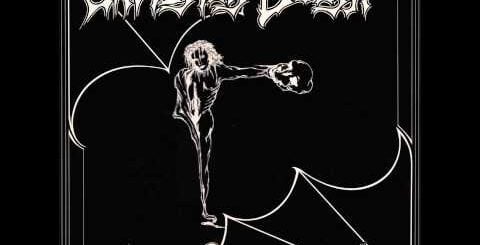
Romeo’s Distress by Christian Death Lyrics Meaning – A Dive into the Dark and Symbolic World of 80s Goth Rock
Lyrics
Burning dollars
What’s a house without a home?
Dance in your white sheet glory
Dance in your passion
Talk about sugar on the six fingered beast
Conversation about the holes in your hands
Walking the garden of men’s desires
Conversation about the kingdom of fire
Conversation about the kingdom of fire
What’s that moving in the basement?
What’s that moving in the attic?
Who’s that walking in the shadows?
Who’s that walking in the streets?
Kiss on my hand
After dark
Hand for a kiss
After dark
Kiss on my hand
Kiss on my hand
Kiss on my hand
Romance in sequence
Harmful to the blind
Burning hearts
Through the top of your skull
Dance in your white sheet glory
Dance in your passion
Your days are numbered
With pretense in your pocket
Your days are numbered
With the love in your eyes
Love in your eyes
Love?
What’s that moving in the basement?
What’s that moving in the attic?
Who’s that lying on the altar?
Who’s that lying in the streets?
Kiss on my hand
After dark
Hand for a kiss
After dark
Kiss on my hand
Kiss on my hand
Kiss on my hand
Kiss on my hand
Pull down the sheets
Take off your clothes
Get out of bed
I’m so tired
I’m so tired
Pull down the sheets
And take off your clothes
Get out of bed
I’m so tired
I’m so tired
I’m so tired
In the haunting expanse of the 80s post-punk landscape, Christian Death’s ‘Romeo’s Distress’ stands as a chilling testament to the genre’s power to address taboo and contentious issues. It’s a song that has etched its name in goth rock history, as much for its controversial lyrics as for its unflinching gaze into society’s dark underbelly.
Decades after its initial release, ‘Romeo’s Distress’ remains a subject of fascination and debate among fans of the genre and music historians alike. Its vivid imagery and cryptic allusions paint a dystopian portrait, where the personal is political, and the social ills of the era are laid bare in stark, poetic terms.
The Unsettling Poetry of Darkness
It’s the poetic nature of ‘Romeo’s Distress’ that gives it such enduring resonance. The song flirts with gothic elements and the macabre, using visceral images of burning crosses and desecrated sanctuaries to provoke and unsettle. Far more than mere shock rock, these lyrical choices act as razor-sharp commentaries on racism, disillusionment, and societal decay.
Christian Death’s penchant for the Gothic is not merely aesthetic, but a vehicle for expression. The unsettling language and surrealist scenarios are a sonic palette used to evoke emotions and challenge the listener’s comfort zones. This haunting milieu is the playground of ‘Romeo’s Distress,’ a world where the night reveals truths camouflaged in the garish light of day.
A Chorus of Hidden Meanings
At first glance, ‘Romeo’s Distress’ may seem cloaked in a shroud of impenetrable symbolism. The burning houses, the shadowy figures—they all dance around a core of hidden meaning. One interpretation is that the song confronts the hypocrisy and potential emptiness of the American Dream (‘What’s a house without a home?’), as well as the festering racial tensions epitomized by the image of burning crosses.
Yet, there is an underlying sense of personal desolation and existential angst that runs through the lyrics. The interplay between the sacred and profane—’Who’s that lying on the altar? Who’s that lying in the streets?’—suggests a confrontation with the divine, or a loss thereof, and the weariness of the repeated ‘I’m so tired’ speaks to a spiritual and emotional exhaustion with the status quo.
The Inflammatory Opening Line
Any analysis of ‘Romeo’s Distress’ must contend with its incendiary opening line, a conscious provocation that jolts the listener into a complex and uncomfortable narrative. No stranger to controversy, Christian Death uses this line to signal an unapologetic confrontation with the ugliness of racism, and by doing so, holds up a mirror to the cracks in the facade of the ‘civilized’ society.
By juxtaposing this racial slur with images of domesticity and celebration (‘Burning crosses on a nigger’s lawn / Dance in your white sheet glory’), the song forces a reflection on the performative aspects of hate and the normalization of such ideologies in certain quarters of society. It’s a provocative opening gambit that sets the tone for the entire piece.
Dance in the Dissonance
The recurring theme of dance throughout the song symbolizes a twisted rite or celebration of societal ills. The phrase ‘Dance in your white sheet glory’ directly pulls the haunting rituals of the Ku Klux Klan into the listener’s mind, presenting a stark contrast to the typically joyous act of dancing. It’s a metaphor for the way in which harmful beliefs and actions can be ritualized and ingrained into culture.
The dance motif ties back into the song’s pervasive atmosphere of disillusionment with the ‘passion’ and ‘glory’ referenced throughout—as if these shines of virtue are, in truth, born from a far more sinister origin. It’s a dance of death, perhaps, where the steps are choreographed by the darker impulses of humankind.
Memorable Lines that Transcend Generations
‘Your days are numbered / With pretense in your pocket’ might be one of the most cryptic yet memorable lines from ‘Romeo’s Distress.’ It carries with it the weight of inevitability and mortality, suggesting that regardless of the facades we maintain, the count towards our final act is unyielding. This plays into the universal theme of the human condition, where honesty and deceit coexist precariously.
Coupled with ‘With the love in your eyes’ and the recurring questions (‘What’s that moving in the basement? Who’s that walking in the streets?’), the song’s lines capture the journey from romantic innocence to a somber awakening. It reflects a maturation, or perhaps a loss of naivety, that is as personal as it is political, encapsulating the essence of what makes ‘Romeo’s Distress’ a song that continues to resonate with listeners.