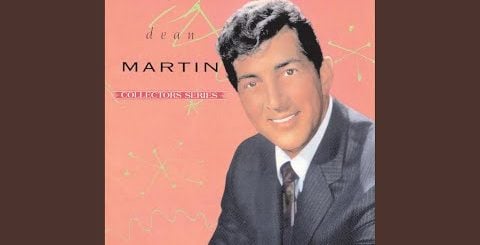
Rudolph The Red-Nosed Reindeer by Dean Martin Lyrics Meaning – Unpacking the Timeless Holiday Classic
Lyrics
Rudolph
Rudolph the red-nosed reindeer
Had a very shiny nose
And if you ever saw it
You would even say it glows
All of the other reindeer
Used to laugh and call him names
They never let poor Rudy
Join in any reindeer games
Then one foggy Christmas Eve
Santa came to say
Rudolph with your nose so bright
Won’t you guide my sleigh tonight?
Then how the reindeer loved him
As they shouted out with glee
Rudy the red-nosed reindeer
You’ll go down in history
Rudolph the red-nosed reindeer
Had a very shiny nose
And if you ever saw it
You would even say it glows
All of the other reindeer
Used to laugh and call him names
They never let poor Rudolph
Join in any reindeer games
Then one foggy Christmas Eve
Santa came to say
Rudolph with your nose so bright
Won’t you guide mein sleigh tonight?
Then how the reindeer loved him
As they shouted out with glee
Rudy the red-beaked reindeer
You’ll go down in history
(Rudolph)
(Rudolph)
(Rudolph)
When Dean Martin released his rendition of ‘Rudolph The Red-Nosed Reindeer,’ he infused the Christmas classic with a smooth, jazzy charm that transcended generations. The song, often dismissed as a simple children’s jingle, unfolds a narrative that resonates with the timeless themes of acceptance, resilience, and the celebration of individuality.
Within its catchy melody and playful lyrics lies a powerful commentary on society’s treatment of the ‘other’ and the redemptive power of inclusion. This analysis dives into the nuances of the song’s lyrics, exploring the layers of meaning that Dean Martin brought to life with his iconic voice.
Beneath the Surface: The Luminous Tale of Overcoming Rejection
Rudolph’s tale kicks off with a reality many can relate to: the pain of rejection. His ‘shiny nose,’ a glowing anomaly, becomes the target of ridicule among his peers. The mockery from the other reindeer encapsulates the all-too-human fear of difference, illustrating a society that values conformity over individual uniqueness.
Yet, the song hints at an inevitable shift when the same unique trait that caused Rudolph grief becomes the beacon of hope for Santa and his sleigh. It’s a reflection on how what is often perceived as a weakness can, under a different light, become one’s greatest strength.
The Climactic Turning Point: ‘Then one foggy Christmas Eve…’
The pivotal moment arrives when Santa recognizes Rudolph’s value amidst the oppressive fog, both literal and metaphorical. Within this line, Martin croons with an almost knowing wisdom, foreshadowing the redemptive arc that will soon unfold.
Santa’s intervention is not just a call to action; it is an acknowledgment of Rudolph’s individuality as an asset, altering the trajectory of the protagonist from outcast to hero. This single decision by Santa symbolizes the power of leadership to change narratives by embracing diversity.
Triumphant Reprise: The Transformative Power of Success
Following Rudolph’s newfound status as Santa’s navigator, the reindeer who once ‘laughed and called him names’ are quick to sing his praises. This dramatic change in attitude comments on society’s fickle nature, often quick to reverse scorn into veneration upon an individual’s achievement of success or utility.
Martin’s delivery of the reindeer’s cheers rings with both jubilation and a touch of irony, gently prodding the listener to reflect on the fickleness of public adoration—and perhaps, to consider valuing others for who they are rather than what they can do.
Decoding the Subtext: What ‘Rudolph’ Really Represents
‘Rudolph The Red-Nosed Reindeer’ is more than a festive tune; it’s a metaphorical canvas for exploring societal dynamics. The exclusion and subsequent acceptance of Rudolph stand in for the broader human experiences of alienation and belonging.
Stepping back, the song challenges listeners to examine the relationship between power, visibility, and acceptance. Dean Martin’s suave vocals beseech the audience to recognize the importance of celebrating diversity long before it becomes convenient or necessary.
Evergreen Lines: ‘You’ll go down in history’
Perhaps the most poignant promise of the song comes in its concluding prediction. ‘You’ll go down in history’ not only reassures Rudolph of his newfound esteem but also serves as a reminder to listeners of the potential for lasting impact inherent in each individual’s unique qualities.
Dean Martin’s timeless voice lends this line an elegance, cementing the song in the annals of holiday lore while encouraging every ‘Rudolph’ in the audience to shine unabashedly, with the hope of leaving their own mark on the world.