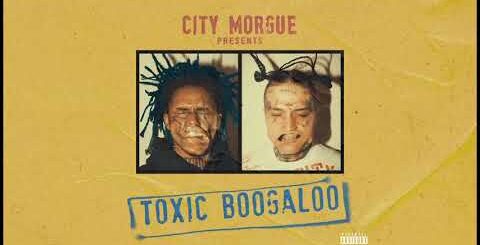
SCREAMING AT THE RAIN by City Morgue Lyrics Meaning – Deciphering The Cry Against Inevitability
- Music Video
- Lyrics
-
Song Meaning
- The Howl of Frustration: Unmasking the Agony in Repetition
- A Dissection of Manhood in Crisis and the Accountability Quandary
- The Pain of Reflective Isolation: A Sliver of Hope in The Chaos
- A Vivid Retrospective: The Checkered Past as Life’s Foundation
- Memorable Lines Etched in the Stone: The Anthem’s Unforgettable Echo
Lyrics
What did you fuck up, and then who did you blame? (What?)
How do you even go look your kids in the face
With your manhood breakin’ all over the place?
I’m the same, in every way
Scared to see the consequences brought in my way (what?)
Starin’ at the soap, and there’s blood on the trace
Of anything and everything just wanna keep up the pace (what?)
Hey, many times I’ve prayed
Hopin’ life won’t stay the same
Hopin’ life will fuckin’ change
Just screamin’ at the
Hey, they called me insane
Hopin’ I won’t be a face
Hopin’ I won’t be a phrase
Just screamin’ at the rain (Mula)
Bitches used to curve me, now it’s my year (fuck outta here)
I been in and out of jail for like five years (Sleezy)
When they killed my nigga Woozy, man, my eyes teared
Now niggas gettin’ killed, ain’t no idea (boom, boom)
I feel sorry for the crackheads and happy for myself (Mula)
Prolly waste my youth, sellin’ crack since I was twelve (work)
Ridin’ in the Caddy, automatty on my belt (boom)
Now you got your hand out and I was askin’ for ya’ help (fuck outta here)
I’m the same, I ain’t ever switch up on the gang (no-no)
I ain’t ever give up on my dreams
But sometimes I wanna blow out my brains (boom)
Drugs take away all of my pain (Mula)
Hey, many times I’ve prayed
Hopin’ life won’t stay the same
Hopin’ life will fuckin’ change
Just screamin’ at the
Hey, they called me insane
Hopin’ I won’t be a face
Hopin’ I won’t be a phrase
Just screamin’ at the rain
In the raw and tempestuous verses of City Morgue’s ‘SCREAMING AT THE RAIN,’ lies a cascade of emotion, deeply entrenched in the pains and struggles that navigate the journey of the human spirit. This track isn’t just another entry in the annals of rebellious anthems; it’s a harrowing narrative that stitches together threads of anguish, retrospection, and a defiant plea for change.
The group, known for their relentless, gritty take on life’s darker realities, invites listeners into a torrential downpour of vulnerability – one that’s fraught with a resolve to scream at the natural, the inevitable, the unchangeable. Unpacking the tapestry of these verses reveals an artistry that colors outside the lines of traditional musical forms to bleed out a strikingly candid exhibition of existential reflection.
The Howl of Frustration: Unmasking the Agony in Repetition
The incantation-like repetition in the chorus – ‘Hey, many times I’ve prayed, Hopin’ life won’t stay the same’ – isn’t just poetic, it’s the keystone holding the weight of disappointment and the futile cycle of hope and letdowns. The song chants the all-too-familiar narrative of those grinding at the cogs of a system that offers change as a distant horizon, always visible but never quite reachable.
The mantra is a contemplation on the stagnation that plagues the artists’ community and perhaps humanity at large. It stands as a metaphor for banging on the doors of fate, hands bleeding, voices spent, yet the skyline remains unperturbed, indifferent to their pleas.
A Dissection of Manhood in Crisis and the Accountability Quandary
City Morgue takes a brazen swipe at the facade of masculinity and responsibilities unmet. The lines grasp at the delicate issue of self-identity and the pressures society places upon it – ‘How do you even go look your kids in the face, With your manhood breakin’ all over the place?’. This exposes the internal struggles of maintaining societal roles while facing personal breakdowns.
There’s a piercing inquiry about responsibility and complicity within these bars, a daring provocation to uncover the personal failures we dress up and excuse away. The song prods at sore points of generational quandaries while dealing with the thematic blood on the proverbial soap – a visceral symbol of cleansing stained by persistent sins.
The Pain of Reflective Isolation: A Sliver of Hope in The Chaos
The track dives into the solitary experience of grappling with one’s errors and the loneliness that accompanies the burden of self-awareness – ‘I’m the same, in every way, Scared to see the consequences brought in my way.’ The solitary confrontation hinted at in those lines doesn’t promise solace but a sobering moment of self-recognition.
Despite the abrasive exterior, City Morgue intersperses melancholy with resilience. The repeated act of ‘screamin’ at the rain’ signifies a form of catharsis – a primal and raw human response to circumstance. It symbolizes the minuscule yet fiery hope that perhaps, in screaming, one can drown the steady drone of life’s sorrows.
A Vivid Retrospective: The Checkered Past as Life’s Foundation
The members of City Morgue cascade down memory lane, with lyrics carrying the weighted narrative of past tribulations and haunting losses. Engulfing the message is the directness with which these trials are laid bare: ‘I been in and out of jail for like five years…When they killed my nigga Woozy, man, my eyes teared.’
In stark contrast to platitudes about learning from the past, City Morgue delves into the grim reality of lives where the past isn’t just a teacher, but a shackle. Despite endeavors to escape, they admit to the ensnaring hold of one’s history that informs the ever-present struggle against demise and erasure.
Memorable Lines Etched in the Stone: The Anthem’s Unforgettable Echo
Throughout ‘SCREAMING AT THE RAIN,’ the duo lace their verses with lines that cut deep, leaving a lasting impression. The embodiment of their message, ‘But sometimes I wanna blow out my brains, Drugs take away all of my pain,’ emerges as an overt cry from the abyss of hopelessness and addiction.
These gut-wrenching admissions, while giving voice to despair, go beyond the superficial cry for help. They instead reach into the hearts of listeners, forcing empathy and understanding as part of a collective human struggle, urging us to not just hear but listen to the screams at the rain.