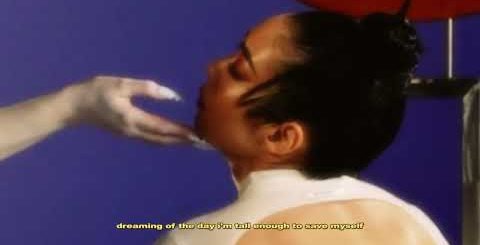
STFU! by Rina Sawayama Lyrics Meaning – Decoding the Anthemic Cry Against Condescension
Lyrics
I want to know, I want to know, yeah
I want to know, I want to know, yeah
I want to know, I want to know, yeah
I want to know, I want to know
Silence finally in my head
But it’s too late, you already left
You’re preaching even though I’m dead
You’re like the first time under my pride
How come you don’t expect me
To get mad when I’m angry?
You’ve never seen it though I know I’m not the only one
How come you don’t respect me?
Expecting fantasies
Leave our reality, why don’t you just sit down and
Shut the fuck up, shut the fuck up (you, uh-huh)
Shut the fuck up, shut the fuck up
Shut the fuck up, shut the fuck up (you, I see you)
Shut the fuck up
Have you ever thought about taping your big mouth shut?
‘Cause I have, many times, many times
I want to know, I want to know, yeah
I want to know, I want to know, yeah
I want to know, I want to know, yeah
I want to know, I want to know
Patience, overrated
If you want it, come and get it
The feeling, need to mention
Rips me open, rips me open
I’m not being naturally negative, no
I don’t wanna be that girl again, ’cause
I’ve been done and been through more friends
Than I can count on my fingertips
How come you don’t detest me?
I am your medicine
And your reality, why don’t you just sit down and?
Shut the fuck up, shut the fuck up (you, uh huh)
Shut the fuck up, shut the fuck up
Shut the fuck up, shut the fuck up (you, I see you)
Shut the fuck up
Have you ever thought about taping your big mouth shut?
‘Cause I have, many times, many times
Have you ever thought about taping your big mouth shut?
‘Cause I have, many times, many times
Like the first time, like the first time
Like the first time, like the first time
Like the first time, like the first time
Like the first time
Like the first time, please
Like the first time, please
Like the first time, please
Like the first time, please
In an era where pop music oscillates between the evergreen themes of love, loss, and self-discovery, Rina Sawayama’s ‘STFU!’ strikes like a gale of rebellious energy against the backdrop of polite pop culture. It’s a track that is as jarring in its composition as it is liberating in its message, with Sawayama masterfully crafting an anthem for those suffocated by societal expectations and the dismissal of their emotions.
‘STFU!’, with its in-your-face title and aggressive lyrics, is more than just another ‘angry’ track; it’s a sharp narrative on the cultural silencing of marginalized voices and the pent-up frustration that comes from repeatedly being misunderstood. In examining the layers beneath the assertive chorus, we find a complex interplay of emotions and social commentary.
A Riotous Refrain: The Power of Saying ‘Enough!’
At first glance, ‘STFU!’ reads as a straightforward directive, a demand for silence from an overwhelmed speaker. Indeed, the repeated command forms the backbone of the song, giving it an infectious quality that both empowers and resonates with the listener. It’s a chorus that encourages anyone who has ever felt patronized or mansplained to reclaim their space by shutting down unwanted commentary.
This refrain isn’t just about personal irritation, though. It’s a communal battle cry that taps into a collective weariness with a world that devalues genuine expression. Sawayama’s use of the phrase ‘shut the fuck up’ isn’t crass—it’s a choice that encapsulates a breaking point that many know all too well yet often goes unspoken in polite discourse.
Unraveling Rina’s Reality: A Closer Look at Emotional Authenticity
One of the central tenets of ‘STFU!’ is its critique of forced patience and the expectation for emotional restraint. The lines ‘Patience, overrated / If you want it, come and get it’ defy the societal norm of passivity, especially in scenarios where emotions are invalidated. Rina Sawayama challenges the listener to consider the consequences of suppressing emotions for the comfort of others.
Through her lyrics, Sawayama highlights the toxicity of expecting one always to be agreeable or happy. Her rejection of ‘being naturally negative’ and the mention of losing friends adds layers to the song’s conversation around authenticity. These lines express the artist’s commitment to staying true to herself, even at the cost of societal approval.
The Hidden Meaning: An Indictment of Cultural Stereotypes
While the track may seem like a personal address from Sawayama to an individual, there’s a broader hidden critique woven into the quicksilver beat—especially the struggle against cultural stereotypes and microaggressions. As a woman of East Asian descent in the entertainment industry, Rina Sawayama has spoken about encountering numerous racialized expectations.
Lyrics such as ‘You’ve never seen it though I know I’m not the only one’ could be read as a call out to the experiences of tokenism and the shock some express when confronted with an Asian woman who isn’t the model minority or docile figure they’ve been led to expect. This adds a dimension of resistance against stereotyping and an embrace of complexity and anger often denied to Asian women in media.
The Seduction of Silence: Death to Emotional Suppression
The opening lines ‘Silence finally in my head / But it’s too late, you already left’ serve dual purposes. On the surface, they reflect a moment of internal peace. However, they also ruminate on the belated understanding of others who fail to grasp the depths of one’s emotional state until it’s too late. This juxtaposition paints a stark picture of the cost of ignoring and undervaluing others’ feelings.
There is seduction in the silence as it equates to calm, but in the world of ‘STFU!’, it’s a deceptive allure. True peace comes not from the absence of noise, but from the acknowledgement and acceptance of one’s genuine emotions. This dovetails smoothly with the larger theme of the song: respect and recognition are not just courtesies, but necessities for true interpersonal understanding.
Memorable Lines: ‘Taping Your Big Mouth Shut’
Perhaps the most vivid imagery comes from the reiteration of the rhetorical question, ‘Have you ever thought about taping your big mouth shut? ‘Cause I have, many times, many times.’ These lines are biting, painting a picture of someone so plagued by another’s words and judgements that they fantasize about a forcible means to quiet the noise.
The repetition of ‘many times’ at the end of each line is a mirror to the looping thoughts that can haunt someone in conflict. It’s a relentless mantra that underscores the frequency of these oppressive encounters and serves to validate the frustrations of those who encounter them. It’s a line that sticks, echoing in the listener’s mind long after the song ends, pulling them into the gravity of the narrative.