Stop Whispering by Radiohead Lyrics Meaning – Parsing the Quiet Rebellion in Sound
Lyrics
And the thin man said “I don’t want to hear your voice”
And they’re cursing me
And they won’t let me be
There’s nothing to say
And there’s nothing to do
Stop whispering, start shouting
Stop whispering, start shouting
And my mother say we don’t love you, son some more
And the buildings say let me spit on your face some more
And the feeling is
That there’s something wrong
‘Cause I can’t find the words
And I can’t find the song
Stop whispering, start shouting
Stop whispering, start shouting
Dear sir, I have a complaint
Dear sir, I have a complaint
Can’t remember what it is
Doesn’t matter anyway
Doesn’t matter anyway
Stop whispering, stop whispering
Stop whispering, stop whispering, start shouting
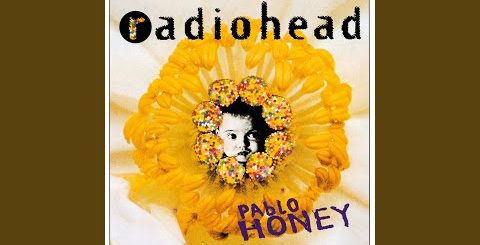
Amidst a catalog often celebrated for its opacity, Radiohead’s ‘Stop Whispering’ stands out for its seemingly straightforward plea, wrapped in the melancholic riffs characteristic of the band’s early days. The track, appearing on their first studio album ‘Pablo Honey’, projects a youthful angst and a desperate call for authenticity in a world suffocated by superficiality and noise.
Yet, as with most of Radiohead’s work, beneath the surface lies a complex layering of meanings and interpretations. The repeated mantra, ‘Stop whispering, start shouting,’ digs at the core of self-expression and societal constructs, making it an anthem for the silent challengers daring to raise their voice. Here we delve into the subtleties and the raw emotion that carve the profound narrative of this anthemic song.
The Quiet Before the Storm: The Silent Struggle for Identity
The lyrics of ‘Stop Whispering’ outline a nuanced battleground where the voice is both weapon and casualty. The ‘wise man’ and ‘thin man’ introduce the conflict, negating the speaker’s words as worthy of consideration. This universal dismissal reflects a collective anxiety about being heard and valued, a struggle Radiohead echoes throughout their discography.
Identity is core to this battle. As the song reveals a world rejecting the protagonist’s essence, from familial bonds to society’s towering edifices, there’s an unescapable sense of being lost in the noise. The speaker’s voice, suffocated by these whisperings, cries out for a louder existence, for the shouting that is as much about being heard as it is about affirming one’s existence.
An Anthem for the Misunderstood: ‘And they’re cursing me…’
Frequent in Radiohead’s lyricism is the misfit’s lament, and ‘Stop Whispering’ is no exception. The line ‘And they’re cursing me, And they won’t let me be’ illuminates an all-too-familiar feeling of alienation. It resonates particularly with those who’ve ever felt misunderstood by the powers that be—be they parental figures, authorities, or societal expectations.
The languid melancholy of the tune underscores this sense of isolation, providing a stark contrast to the internally impassioned plea. This juxtaposition is Radiohead’s signature, crafting a soundscape that is as confessional as it is defiant, encapsulating the plight of the outcast yearning to break free.
The Hidden Meaning – A Critique of Passivity
While ‘Stop Whispering’ can be interpreted as a personal cry for recognition, it’s also a potent critique of societal passivity. The directive to shift from whispering to shouting symbolizes a call to action—a rallying cry for apathy’s victims to reclaim their voice and challenge the status quo that silences the divergent.
Within the restrained emotion of the song’s composition thrives the urgency of rebellion. By telling the repressed to stop whispering, Radiohead is not merely suggesting an increase in volume; they’re advocating for a subversive confrontation with a world that prefers the hush of conformity.
Memorable Lines: ‘Dear sir, I have a complaint…’
The seemingly benign line ‘Dear sir, I have a complaint’ morphs into a sharp indictment when delivered amid the brooding tone of ‘Stop Whispering.’ It speaks to the impersonal and bureaucratic nature of grievance in the modern world, highlighting the frustration of being unheard despite directly voicing concerns.
Then comes the cathartic disclaimer ‘Can’t remember what it is, Doesn’t matter anyway,’ suggesting that the specific grievances have become so many or so neglected that their details are less important than the collective experience of dismissal. It’s a stroke of lyrical genius that amplifies the song’s central theme about the futility of silence in an indifferent world.
Echoes of Discontent: How the Song Resonates Today
Decades after its release, ‘Stop Whispering’ continues to echo in the chambers of contemporary consciousness. In an age of social media echo chambers and widespread political disillusionment, the song’s core message is more relevant than ever. The push to raise one’s voice against an overwhelming tide of passivity, disinformation, and societal pressure is a continuous process that transcends generations.
The blend of personal pain with socio-political commentary ensures that ‘Stop Whispering’ retains its potency and relevance. It’s a testament to Radiohead’s enduring ability to craft music that not only resonates on a personal level but also captures the zeitgeist of discontent and the perennial struggle to be truly heard.