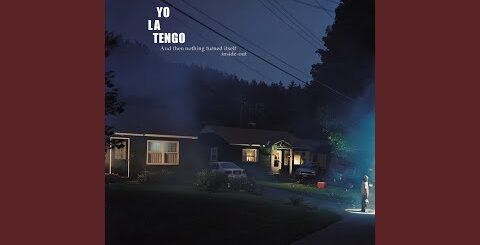
Tears Are in Your Eyes by Yo La Tengo Lyrics Meaning – A Dive into Melancholy and Hope
Lyrics
And the time is wrong
You tell me winter’s here and your days…
Are getting long
Tears are in your eyes… tonight
You tell me that you haven’t
Slept in days
You tell me sleeping only makes you tired…
Anyway
Tears are in your eyes… tonight
Tears are in your eyes… every night
Although you don’t believe me you’re strong
Darkness always turns into the dawn
And you won’t even remember this for long…
When it ends alright
Please tell me how…you know tomorrow…staring at your shoes
Tears are in your eyes…every night
Tears are in your eyes…every night
Tears are in your eyes…tonight
Within the arsenal of indie rock legend Yo La Tengo’s discography lies a quietly stirring track, ‘Tears Are in Your Eyes.’ Its gentle melody and heartfelt lyrics have captured the minds of fans and critics alike, inviting interpretations that resonate with the human experience of sadness and the underrated strength it takes to endure.
The song, a delicate weave of acoustic chords and tender vocals, serves as more than just music; it is a vessel for a profound emotional journey. This exploration seeks to uncover the depths of this poignant track, teasing out themes of seasonal change, personal struggle, and the understated yet powerful message of resilience and optimism entwined in its lines.
Seasonal Affective Disorder or Symbolism at Play?
As the lyrics oscillate between references to summer and winter, there’s an evident theme of seasonality that goes beyond the literal change in weather. Much like the seasons, emotions have their cycles, and ‘Tears Are in Your Eyes’ appears to evoke this ebb and flow. The mention of time being wrong during summer and the elongation of days during winter may be a metaphorical expression of the disconnect between one’s inner emotional landscape and the external world.
Yo La Tengo might be hinting that personal grief or turmoil doesn’t adhere to the expectations preset by the environment. Instead, sorrow carves its path, indifferent to the warmth of summer or the cold of winter—a poignant reminder that our inner experiences do not always align with the outside world.
Insomnia as a Metaphor for Restlessness and Seeking
The lines, ‘You tell me that you haven’t slept in days / You tell me sleeping only makes you tired anyway,’ are haunting in their simplicity, touching upon the restlessness that plagues a troubled mind. It’s possibly an incisive commentary on how the quest for peace can sometimes lead to greater exhaustion, reflecting the paradoxical nature of seeking respite within one’s own turmoil.
This could also double as a metaphor for the endless search for answers or solace in times of distress – the ‘sleep’ that never quite rejuvenates, indicating a deeper, unresolved conflict or pain that superficial remedies cannot ease.
Uncovering the Song’s Hidden Meaning of Inner Strength
Within the subtlety of ‘Tears Are in Your Eyes,’ there lies an assertive proclamation: ‘Although you don’t believe me you’re strong.’ It’s a candid acknowledgment of the invisible resilience that individuals possess, often unbeknownst to them. The song seems to inject a dose of faith, gently insisting that the darkness which currently envelops the listener will inevitably give way to light.
This presents the hidden meaning of the song—an ode to the strength found in vulnerability and the courage in facing one’s own emotions. It’s a reminder that even when one feels most fragile, there is an inherent toughness that will eventually lead to a dawn of understanding or healing.
Memorable Lines: ‘Darkness always turns into the dawn’
Perhaps the most uplifting line of the track, ‘Darkness always turns into the dawn,’ serves as a mantra of hope. It encapsulates the song’s core message of transience in times of sorrow, extending a comforting assurance that pain is not a permanent state but rather a momentary passage leading to better times.
This line resonates with the universal truth of impermanence and can be perceived as the silver lining running through the clouds of melancholy that the song envelops around its listener—a reminder that all things, good or bad, will eventually pass.
The Paradox of Tearful Nights and the Promise of an ‘alright’ Ending
In juxtaposition to the promise of dawn and the imperceptibility of one’s strength, the repetitive chorus ‘Tears are in your eyes… every night’ brings us back to the immediate reality of suffering. It’s a striking contrast to the hopeful messages elsewhere in the song, grounding us in the present woes that, despite their transient nature, are deeply felt and real.
Yet, after guiding us through the night, the song concludes by foreshadowing an optimistic resolution: ‘When it ends alright.’ It’s a subtle but powerful assurance that the tears which cloud our vision may someday dry, not by dismissing our struggles, but by recognizing them and firmly believing in a forthcoming respite.