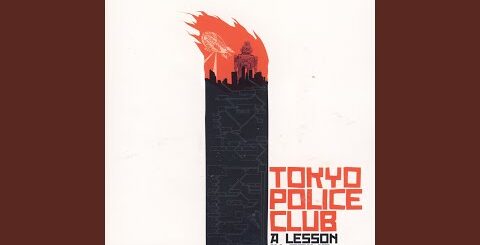
Tessellate by Tokyo Police Club Lyrics Meaning – Decoding the Intricate Patterns of Heartbreak and Resilience
Lyrics
Were no tough bunch but they had the nerves to go and say
That all your secrets were drowned
With the pioneers who were flooded from this town
They packed their bags only moments too late
With the pounding waves crashing up against
The weakened water gates
‘Cause dire times call for dire faces
So lovely dancer call a dancer
Trade our places in the night
We’re running barefoot, you and I
Dead lovers salivate
Broken hearts tessellate tonight
And all the kids who cut their knees on that old schoolyard fence
Were holding out for posterity and self-defense
Before we beat them down again
There’s no fun in playing cowboys for pretend
We showed them what the backs of our hands is for
The divide is clear in the coming year
The rich will take the poor
‘Cause dire times call for dire faces
So lovely dancer, call a dancer
Trade our places in the night
We’re running barefoot, you and I
Dead lovers salivate
Broken hearts tessellate tonight
Tokyo Police Club’s ‘Tessellate’ is a song that intricately weaves the imagery of loss, nostalgia, and the fierce survival instinct in the face of life’s relentless waves. It delivers its punch with an almost deceptive indie rock vivacity that belies the depth of its subject matter.
Through a careful dissection of its lyrics, we find a deeper narrative playing out beneath the seemingly straightforward surface—one where memories carve out patterns in the way broken hearts seek solace and the toughening that comes from life’s trials.
The Nostalgia of Childhood’s End: Looking Past the Playground
The energy of ‘Tessellate’ suggests a romping through fond yet painful recollections of youth. When the band references the boys calling their mothers or kids cutting themselves on schoolyard fences, there’s an unmistakable sense of a threshold—where innocence begins to scar over with the first brushes of reality.
These images lay the groundwork for understanding the song’s central theme: as we grow, our experiences, much like tessellating patterns, fit together in complex ways, shaping who we become. The children in the song are at the precipice of this realization, marking their transformation with wounds that will mold their futures.
Survival Amidst Sorrow: The Flood as Metaphor
There is a cataclysmic tone to the lines that speak of pioneers and flooding towns. Tokyo Police Club is drawing parallels between emotional deluge and physical disaster, marking the moments when we pack our proverbial bags too late to escape the heartaches that overwhelm us.
In the drowning of secrets and the defeated water gates, we catch glimpses of vulnerability and the idea that certain pivotal happenings leave us all but washed away, clinging to the remnants of what was once solid ground.
Dead Lovers Salivate: The Undeniable Hunger for Affection
‘Dead lovers salivate’—this haunting line encapsulates the raw yearning that follows loss. It’s a powerful oxymoron that forces us to confront the visceral nature of desire that persists even when love has turned cold or departed entirely.
In this, ‘Tessellate’ speaks to the ghost-like state lovers find themselves in post-mortem of a relationship; the hunger for affection causes them to salivate over whatever semblance of connection they can derive from the memories, no matter how spectral they’ve become.
Broken Hearts Tessellate: Affliction Fitting Together
The repeated concept of tessellation becomes an allegory for the intricate ways in which we piece together the remnants of our fractured selves. The lyrics suggest that there is a beauty and pattern to the pain—that through the act of tessellating, we find a bitter symmetry to our suffering.
As broken hearts tessellate, they create a mosaic of experiences that, while individually shattering, come together to create a resilient and fascinating whole—the human condition in all its flawed splendor.
The Dance in Dire Times: The Hushed Revolution of Switching Places
In the midst of the song’s seemingly inconsolable subjects comes an invitation: ‘lovely dancer, call a dancer, trade our places in the night.’ It’s an ephemeral moment of escape through the transformational power of dance, an art form that has historically served as both rebellion and relief.
This swapping of places in the dark hours is not just a literal dance, but a metaphorical exchange of fates and feelings. It underscores the interconnectivity of human experience as well as the solace found in sharing burdens with another soul. ‘Tessellate’ thus ends on a note of subtle defiance and the catharsis found in communal coping, even if for a night.