The Beautiful People by Marilyn Manson Lyrics Meaning – Unmasking the Ugliness of Society
Lyrics
Don’t bother to resist, or I’ll beat you
It’s not your fault that you’re always wrong
The weak ones are there to justify the strong
The beautiful people, the beautiful people
It’s all relative to the size of your steeple
You can’t see the forest for the trees
You can’t smell your own shit on your knees
There’s no time to discriminate
Hate every motherfucker
That’s in your way
Hey you, what do you see?
Something beautiful or something free?
Hey, you, are you trying to be mean?
If you live with apes man, it’s hard to be clean
The worms will live in every host
It’s hard to pick which one they eat the most
The horrible people, the horrible people
It’s as anatomic as the size of your steeple
Capitalism has made it this way
Old-fashioned fascism will take it away
Hey you, what do you see?
Something beautiful or something free?
Hey, you, are you trying to be mean?
If you live with apes man, it’s hard to be clean
There’s no time to discriminate
Hate every motherfucker
That’s in your way
The beautiful people
The beautiful people (aahh)
The beautiful people
The beautiful people (aahh)
The beautiful people
The beautiful people (aahh)
The beautiful people
The beautiful people (aahh)
Hey you, what do you see?
Something beautiful or something free?
Hey, you, are you trying to be mean?
If you live with apes man, it’s hard to be clean
Hey you, what do you see?
Something beautiful or something free?
Hey, you, are you trying to be mean?
If you live with apes man, it’s hard to be clean
The beautiful people
The beautiful people
The beautiful people
The beautiful people
The beautiful people
The beautiful people
The beautiful people
The beautiful people
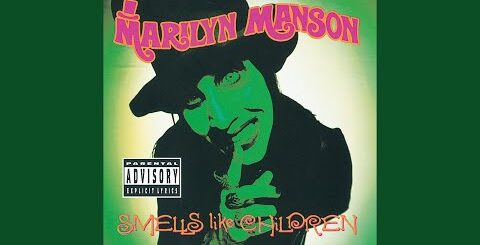
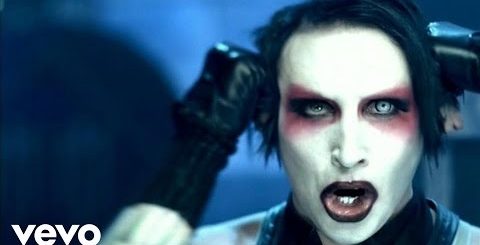
Amidst the high-octane distortion and industrial beats, ‘The Beautiful People’ by Marilyn Manson poses a stark commentary on society’s deep-seated prejudices and the grotesque nature of social stratification. Since its release in 1996 on the album ‘Antichrist Superstar,’ the song has become an anthem for those feeling ostracized by the world’s standards of beauty and success.
Unraveling the evocative lyrics reveals Manson’s biting critique of capitalism and the culture built around a superficial notion of the ‘beautiful’ elite. This track is not merely about the rebellious uproar of the excluded; it’s a mirror held up to the world, a critique written in bold letters, and a call to recognize the irony of what we deem beautiful.
An Insurrection Against Social Hierarchies
At its core, ‘The Beautiful People’ is a seething protest song, an insurgence against the classist and hierarchical structures that determine power and influence. The repetitive chants of ‘the beautiful people’ serve as a sarcastic salute to those perched atop the social ladder, implying that their perceived superiority is inherently oppressive to those classed as less attractive or successful.
Manson equates beauty with the size of one’s ‘steeple,’ immediately conjuring up imagistic associations with church spires, phallic power structures, and the hubris that often accompanies them. The relentless drive of the music pushes this message home, positioning the listener at the barricades of Manson’s assault on societal norms.
The Diseased Roots of Discrimination
‘The worms will live in every host, it’s hard to pick which one they eat the most.’ With these chilling lines, Manson suggests that the roots of prejudice and hate are not simply surface-level, but are deeply entrenched within the fabric of humanity. These ‘worms’ represent the pervasive and parasitic thoughts that feed on everyone, manifesting in the ugliness of discrimination.
By not differentiating between the ‘horrible’ and ‘beautiful’ people in regards to these worms, Manson suggests that the social disease of discrimination is intrinsic to the human condition, regardless of one’s place in the hierarchy of beauty.
A Scathing Indictment of Capitalist Culture
‘Capitalism has made it this way, old-fashioned fascism will take it away.’ This line is a potent critique of how capitalist values can often lead to a kind of socio-economic Darwinism, where only the ‘most beautiful,’ as sanctioned by society’s elite, can survive and flourish.
Manson’s message is that the problematic structures of capitalism mirror those of authoritarian regimes, where power is consolidated and sanctified in the hands of a few. The song denounces the commodification of beauty and exposes the toxic cycle of consumption and exploitation that fuels societal divisions.
The Poignancy of ‘Something Beautiful or Something Free?’
Manson’s repeated question, ‘Hey you, what do you see? Something beautiful or something free?’ strikes at the heart of the song’s narrative tension. It challenges the listener to consider their own values and perceptions, compelling a reflection on whether they value the aesthetic that has been sold to them or the freedom that comes from rebuking those very norms.
The ‘apes’ Manson references allude to the primal instincts that undermine human sophistication. The inherent dirtiness, both literal and metaphorical, of existing within flawed social systems makes it difficult to remain untouched or ‘clean’ by their influence.
Unmasking ‘The Beautiful People’s’ Hidden Rebellion
A deeper read into ‘The Beautiful People’ reveals a hidden, defiant heart. Beyond the visceral soundscape, the song plays host to an insurgent spirit that seeks to dismantle the façades that society venerates. It’s a denunciation of the veneer that civilization often upholds at the expense of authenticity and individuality.
The song, now a cultural touchstone, continues to resonate with those who feel boxed in by the rigid frameworks of society. It’s a rallying cry for the underdog, a siren song for the non-conformist, and an enduring artifact of the impact of Manson’s controversial artistry.