The Biggest Lie by Elliott Smith Lyrics Meaning – Unraveling the Intimate Depths of Smith’s Songwriting
Lyrics
Subway that only goes one way
The stupid thing that’ll come to pull us apart
And make everybody late
You spent everything you had
Wanted everything to stop that bad
Now I’m a crashed credit card registered to Smith –
Not the name that you called me with
You turned white like a saint
I’m tired of dancing on a pot of gold-flaked paint
Oh we’re so very precious, you and I
And everything that you do makes me want to die
Oh I just told the biggest lie
I just told the biggest lie
The biggest lie
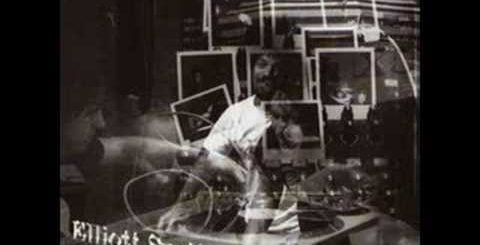
Elliott Smith’s ‘The Biggest Lie’ is a poignant manifestation of the artist’s intricate storytelling and the intimate exploration of his inner world. The song, nestled within his eponymous 1995 album ‘Elliott Smith’, unfolds with a gentle acoustic melody that is both haunting and comforting. Smith’s soft, whispery vocals beckon listeners into his confessional narrative, where emotional transparency meets poetic obscurity.
For fans and critics alike, ‘The Biggest Lie’ remains an enigmatic piece, a tapestry of personal pain woven with public performance. Its outward simplicity belies the depth of introspection and existential questioning within its lines. Through a closer inspection of the song’s lyrics, one can begin to discern the multiplexity of meanings and emotions that Smith intended to convey, offering a glimpse into the complexities of his own experiences.
The Heart-Wrenching Journey of the One-Way Train
The opening lines of ‘The Biggest Lie’ are a metaphorical musing on inevitability and separation. Smith’s reference to ‘the train’ that ‘only goes one way’ sets a scene of predetermined departure, where the tracks of life lead to unavoidable disunion. This notion of an impersonal force ‘to pull us apart’ taps into a universal feeling of helplessness against time’s indifferent march.
This train, mirroring the ceaseless, one-directional flow of life, hints at the broader human experience of grappling with moments that have the power to change our courses irreversibly. Smith captures the everyday calamity of this division, ‘making everybody late’, parallel to how life’s unexpected turns disrupt our carefully laid plans and shared moments.
The Parable of the Crushed Credit Card
The visceral imagery of a ‘crushed credit card registered to smith’ in the second verse is a stark portrayal of identity, expenditure, and loss. This line serves as a decrying of material excess, a record of what has been spent—emotionally, not just financially—and the impersonal remnants left behind when we invest ourselves in something, or someone, ‘that bad’.
The use of ‘Smith’, a common surname, and the avoidance of the name he is actually called by others is a profound look into how he felt disconnected from his own identity. It reflects the disparity between how one is seen by the world and how one truly identifies oneself, suggesting a dissonance between public perception and personal reality.
The Seductive Dance of Destruction
Smith’s lamentation of being ‘tired of dancing on a pot of gold flake paint’ is a profound metaphor for the superficial allure of supposed treasures that ultimately lead to ruin. This line is a commentary on the hollow chase for happiness through external means and the relentless pursuit of what glitters, only to find it devoid of real value.
There is an underlying sarcasm in declaring that ‘we’re so very precious, you and I’, acknowledging the irony of cherishing that which is ultimately harmful. The sad waltz on golden flakes becomes a symbol of the self-destructive patterns we often engage in, blinded by their deceiving sheen.
Murderous Affections and the Wish to Disappear
Perhaps one of the most heartrending lines in the song, ‘And everything that you do makes me want to die’, unveils the torment of a love turned toxic. Here, Smith dissect the ambivalence of desiring closeness and simultaneously recoiling from its suffocation—an emotion that resonates with anyone who has ever felt their devotion become their undoing.
Simultaneously, this line touches on the mourning of the self, as if every action of the other chips away at one’s own being. The melodramatic statement underscores the extreme, almost murderous, consequences of emotions gone awry, and speaks to the hyperbole that accompanies our deepest anguishes.
The Unspoken Truth Behind ‘The Biggest Lie’
The repeated climax of the song, ‘Oh I just told the biggest lie’, is an ironic self-revelation that turns the entire song on its head. As listeners, we are left questioning which part of the narrative is the deceit, making us re-evaluate the sincerity of every line that came before it.
Smith’s pronouncement serves as a gloomy twist, suggesting that within the tapestry of openly shared struggles, there still lies a secret too profound to express. His confessional style is underscored by this resistance to reveal the ultimate truth, weaving an indelible layer of mystery into the song’s fabric.