The Celibate Life by The Shins Lyrics Meaning – Unearthing the Complex Layers Within
Lyrics
All over the floor and your brown legs
The gold plated legs of my rival
Whose eyes have no reason to fall
You’ve led a celibate life
No skirt while chemicals danced on your head
You stole the keys to this ride and your fables are falling tonight
Because of your struggle to make them
Their taste for your past time is fading
Remember the girls in the middle
are always the first to fall off
You’ve learned to live like a mouse
Searching the cracks in the floor to remember
All of the dregs in the crowd you barely recall
You’ve led a celibate life
No skirt while chemicals danced on your head
You stole the keys to this ride and you’re falling tonight
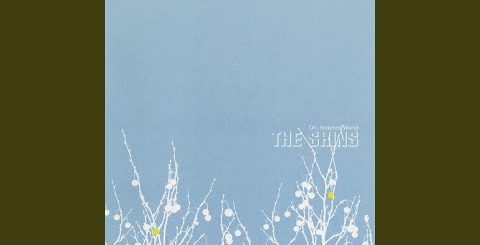
Dissecting The Shins’ intricate lyrical tapestry in ‘The Celibate Life’ reveals a poignant exploration of isolation, temptation, and the ephemeral nature of relationships. The song, nestled within the band’s critically acclaimed album ‘Oh, Inverted World,’ weaves a narrative rich with metaphor and vivid imagery, compelling the listener to delve deeper into its hidden corners.
Beyond its melodious allure, ‘The Celibate Life’ encapsulates the internal and external struggles one encounters when faced with societal expectations and personal desires. We embark on an odyssey to decode the cryptic elements that give this song its enduring resonance and understated profundity.
An Intriguing Title: The Celibate Life
The song’s title, metaphorically speaking, could allude to a personal choice or enforced condition, hinting at themes of loneliness or self-imposed restraint. Within James Mercer’s psychological landscape, celibacy extends beyond its literal interpretation, becoming a symbol of disconnect from the frivolous and transient connections that mark the contemporary social experience.
The concept of ‘The Celibate Life’ then acts as a double entendre. It calls into question the nature of our interactions: are they genuine and profound or merely shallow engagements that satisfy immediate but fleeting urges?
Navigating Through Metaphorical Dust
The opening lines paint a picture of aftermath, with ‘dust from a four-day affair’ as a metaphor for the lingering presence of a short-lived encounter. The song intricately layers the physical and the symbolic, with the ‘brown legs’ and ‘gold plated legs’ indicating a rivalry and perhaps contrasting social status or values.
Through poetically contrasting the mundane and the opulent, Mercer forces us to ponder the worth of our conquests. Is the prize – whether it be flesh, gold, or victory – truly as valuable as we are led to believe?
The Journey of a Lonesome Mouse: A Hidden Meaning Unveiled
The protagonist is described as living ‘like a mouse,’ evocatively sketching a lifestyle of humility and restraint amidst the pursuit of something forgotten or overlooked. It’s a profound statement on survival and adaptation, on living with the specter of the past while searching for meaning in the minutiae of the present.
Do we all, in some way, navigate the ‘cracks in the floor’ of existence, hoping to rekindle memories or connections that once gave us purpose? ‘The Celibate Life’ subtly asks us to consider our relationship with our own memories and legacies.
Fables Falling: The End of Illusion
As night falls on the protagonist’s fables, we witness the disillusionment with one’s narratives. There’s a resonance with anyone who’s ever been trapped in their stories, their ‘struggle to make them.’ Mercer’s mention of the ‘taste for your pastime’ fading captures the moment when personal myths no longer hold sway over others or even themselves.
This invites a broader reflection on authenticity and the masks we wear. How often do our crafted identities fail to sustain the relationships based on them, and what happens when our audience becomes indifferent to the tales we’ve spun?
Memorable Lines: The Fall into Reality
Looking closer at ‘Remember the girls in the middle / are always the first to fall off,’ it resonates as a striking commentary on social positioning. Stuck between the extremes of high-status display and complete invisibility, those ‘in the middle’ find themselves most vulnerable, most likely to be forgotten or lost in the fray.
This lyric emphasizes the perils of a life lived in half measures—a life perhaps seemingly safer but, in its essence, more prone to collapse under the pressure of societal norms and silent expectations.