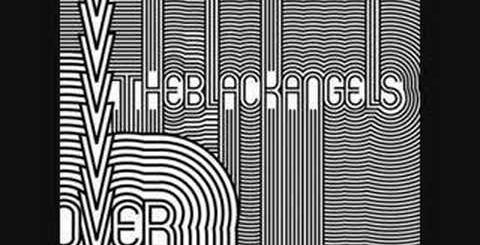
The First Vietnamese War by The Black Angels Lyrics Meaning – A Psychedelic Retrospective on Combat and Consciousness
Lyrics
In my young age
You sent me oversea
And put the fear in me
And I ask what for now
Why me, why war?
And I ask what for now
Vietnam War?
Spend my time there by the shore
Oh we got off that boat
Charlies everywhere
A lotta killin’ and dyin’
And no one seems to care
I ask what for now
We say hell no
And I ask what for
Why me, why war?
And I spend my time there by the shore
Sixty thousand men died
While you were here
You came into our homes
And you took our kids
And you ask for more now
For this new war
And you ask for more now
Vietnam War
I spend my time there by the shore
The Black Angels’ ‘The First Vietnamese War’ is more than just a song—it’s a haunting recollection of a battle that scarred the American psyche, delivered through a haze of psychedelic rock. This track, with its droning rhythm and evocative lyrics, captures the disillusionment and horror of a generation sent to fight in the Vietnam War.
A step away from nostalgic patriotism and a leap into the realm of critical analysis, the song serves as a somber memorial, not only to those who fought but also to the age of innocence that perished with the war. This music piece transcends its chords and melodies, becoming a vessel for somber reflection on the chaos of conflict.
Echoes of Dissonance: Decoding the Fear in Their Youth
From the very first lines, ‘You gave a gift to me / In my young age,’ begins the tale of reluctant warriors thrust into the jungles and warfare. The song serves as a testament to the impact the war had on young soldiers, forced to adapt to a hostile environment that their own country sent them to. The Black Angels poignantly capture the abrupt end of youth, wrapped in a deceptive ‘gift,’ which was anything but.
The use of ‘young age’ is not just reflective of the physical age of the soldiers but also indicative of the lost innocence of a nation plunged into controversial conflict. With each grim line, the band constructs a narrative that feels suspended in time—a collective echo from those who served and the generational sorrow that followed them home.
The Disillusionment on the Shore – A Metaphor Delve
The recurring image of the shore in the lyrics not only locates the soldiers geographically close to the borders of life and death but also symbolizes the boundary between sanity and the mental toll of combat. ‘And I spend my time there by the shore,’ might be the lament of a man who stayed physically alive but left pieces of his psyche on that sandscape.
Shores usually symbolize a place of respite and tranquility. In juxtaposition, The Black Angels co-opt this setting as one of contemplation for the atrocities witnessed and the bloodshed that seemed as endless as the sea. Each mention of the shore resonates with the weariness of a soldier questioning the very motives of their superiors and the politicos who dispatched them to despair.
Unseen Shadows of War – The Hidden Meaning Dissected
The Black Angels deftly weave a sense of unseen foes and unspoken fears with the line ‘Charlies everywhere.’ This reflects not only the Viet Cong’s guerilla tactics but also the pervasive atmosphere of paranoia that plagued American forces. As much as it is about the enemy soldiers, it speaks to the internal struggle, the psychological ‘Charlies’ that ambushed the soldiers’ minds long after the physical war ended.
The hidden meaning within the song may also contemplate the war at home, the civil unrest and the return to a society bitterly divided by opinions on a war many couldn’t understand. The cryptic ‘Charlies’ might not just be in the jungles but in the estrangement felt upon the soldier’s homecoming.
A Rallying Cry That Echoes Still – The Resonating Sentiments
Voiced through abrasive soundscapes that fuel a brooding atmosphere, ‘We say hell no’ becomes a defiant anthem that resonated with the anti-war movement of the ’60s and ’70s. It’s not merely a statement against the Vietnam War; it is an enduring scream against the madness of conflicts and the price paid not in currency but in blood and humanity.
These words, entrenched in resistance, reflect the disillusionment and broken trust between the government and its people, a chasm that still influences modern political discourse. The resonance of The Black Angels’ music reverberates with the contemporary listener, who finds parallels in modern-day injustices and unnecessary wars.
Memorable Lines That Define a Generation
Perhaps the most heart-wrenching moment in the song arrives with the lines ‘Sixty thousand men died / While you were here / You came into our homes / And you took our kids.’ They encapsulate the vastness of tragedy that unfolded and put a mirror to society’s face, forcing a retrospective on the cost of war.
This lyric speaks volumes of not just the death toll, but the broader societal impact—the mothers and fathers left to mourn, the communities irreversibly altered. The stark reminder of casualty figures expressed through the song’s psych-heavy drones serves as a haunting refrain that invokes both mourning and a grim acknowledgment that those figures represent more than numbers; they symbolize futures extinguished and dreams unfulfilled.