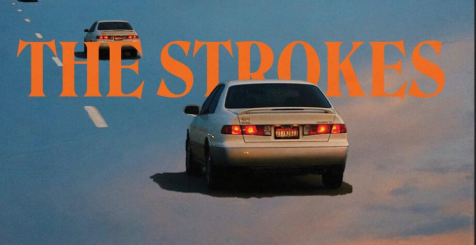
The Modern Age by The Strokes Lyrics Meaning – Unpacking the Anthem of Disillusioned Youth
Lyrics
This little story, a long time ago
Stop to pretend, stop pretendin’
It seems this game is simply never-endin’
Oh, in the sun, sun, havin’ fun, it’s in my blood
I just can’t help it, don’t want you here right now, let me go
Oh, let me a-g-g-g-g-g-g-g-go
Leaving just in time, stay there for a while
Rolling in the ocean, tryna catch her eye
Work hard and say it’s easy, do it just to please me
Tomorrow will be different, so I’ll pretend I’m leaving
I feel so different now, we trained at A-V-A
I wish you hadn’t stayed, my vision’s clearer now but I’m unafraid
Flying overseas, no time to feel the breeze
I took too many varieties
Oh, in the sun, sun, havin’ fun, it’s in my blood
I just can’t help it, don’t want you here right now, let me go
Woo, darlin’ let me a-g-g-g-g-g-g-g-go
Leaving just in time, stay there for a while
Rolling in the ocean, tryna catch her eye
Work hard and say it’s easy, do it just to please me
Tomorrow will be different, so this is why I’m leaving
From the jangly guitars to the unmistakable vocal drawl, The Strokes burst onto the scene, capturing the spirit of a generation with ‘The Modern Age.’ It’s a song that’s as enigmatic as it is anthemic, becoming a staple for those who came of age in the early 2000s. Yet beneath its rollicking surface lies a depth that often goes unexamined.
Articulating the feeling of disillusionment with the ever-accelerating world, The Strokes offered more than just a catchy tune; they provided a mirror for the existential angst of youth navigating the turn of the millennium. Let’s dive into the layers beneath the raucous veneer of ‘The Modern Age’ and explore the thematic intricacies that make it a zeitgeist-defining track.
Climbing the Hill of Nostalgia: The Lure of Simpler Times
The opening lines, ‘Up on a hill, here’s where we begin,’ evoke a sense of starting at a vantage point, both physically and metaphorically. It suggests a yearning for simpler times or perhaps a childhood innocence lost to the complexity of modernity. The notion of a ‘little story’ implies a personal narrative, one that has been told and retold, reflecting the universal experience of growing up and facing reality.
There is a sense of weariness with the act of pretending, of playing the societal game that is ‘simply never-ending.’ These lines set the stage for a larger commentary on the hollowness of social facades and the desire to escape into a past untainted by such deception.
The Pursuit of Pleasure and the Fear of Stillness
‘Oh, in the sun, sun, havin’ fun, it’s in my blood,’ captures the almost hedonistic pursuit of pleasure that defines contemporary life. The sun symbolizes warmth and life, but also the relentless pressure to display happiness. The admission, ‘I just can’t help it,’ reveals an internal struggle with societal expectations to relish every moment, and the immediate rejection of companionship suggests a deeper solitude that yearns to break free from these pressures.
There’s an existential sprint present in the lyrics; the characters are always leaving, rolling in the ocean, trying to catch someone’s eye. It’s a metaphorical ocean of opportunity and the desperate attempt to make human connections amidst the tides of change and distraction.
A Vision Clarified by Departure: The Quest for Self-Discovery
The protagonist’s journey from feeling ‘so different now’ to a vision that is ‘clearer now but unafraid’ signifies a transformation through travel and exposure to the world. The mention of ‘flying overseas’ and ‘no time to feel the breeze’ reflects the constant motion of modern life and the sacrifices of relishing the present moment in pursuit of self-discovery.
Despite ‘taking too many varieties,’ there’s a sense of maturation and clarity in acknowledging the assortment of experiences, both dizzying and edifying, that have led to a fearlessness in facing the unknown. This evolution showcases the paradox of our era: the more we are connected and the more we wander, the more we seek our true selves.
The Siren Call of Tomorrow: Procrastination as a Means of Coping
One of the more cryptic yet striking lines of ‘The Modern Age’ is ‘Tomorrow will be different, so I’ll pretend I’m leaving.’ It speaks to the millennial mantra of procrastination and the frequent hollow promises of change. There’s an implication that by perpetually placing hope in the future, one avoids confronting the dissatisfaction of the present.
The act of pretending to leave, then, becomes a mechanism to cope with the inertia of the actual departure. If change is always on the horizon, then the staleness of today’s existence is albeit bearable. It’s a poignant reflection on the procrastination culture and the escapist fantasies that pervade the modern psyche.
Between the Lines: The Hidden Meaning of ‘The Modern Age’
It would be naive to consider ‘The Modern Age’ as a mere surface-level recount of youthful ennui. Peel back the layers, and the song emerges as an allegory for the disconnection and disaffection felt by a generation over-saturated with choice and underwhelmed by the quality of those options. By mentioning ‘too many varieties,’ there’s a subtle critique of the paradox of choice and the consequent paralysis it can cause.
The strokes are not just painting a picture of the times; they are writing a tacit social commentary laced with anxiety and the search for meaning in a world where the traditional constructs of success and happiness are increasingly questioned.