The Two Sides of Monsieur Valentine by Spoon Lyrics Meaning – Unraveling the Masquerade of Human Complexity
Lyrics
I want to land the part of Eddie in The Stranger Dance
‘Cause he gets to sword fight the duke
He kidnaps the queen
And you think the score’s set but you can’t truly see
Til you know the two sides of Monsieur Valentine
Til you know the two sides of Monsieur Valentine
Every morning I pull on them pants
Mmm but I don’t get out so much since I acquired St. Vitus dance
I turn the news on a while
I practice my scene
You think things are straight but they’re not what they seem
Til you know the two sides of Monsieur Valentine
In his coat and his boots and his blackheart machine
No, no one knows the two sides of Monsieur Valentine
Every morning I’ve got a new chance
I want to play the part of Eddie in The Stranger Dance
He makes love to the duke
He sword fights the queen
He steals the whole show in his last dying scene
No one sees the two sides of Monsieur Valentine
No, no one sees the two sides of Monsieur Valentine
No one sees the two sides of Monsieur Valentine
Mmm hmmm mmm hmm hmm hmm
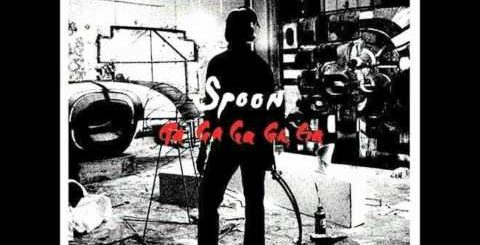
Within the tapestry of modern rock music, Spoon has long been a weaver of introspective lyrics and catchy, thought-provoking melodies. ‘The Two Sides of Monsieur Valentine,’ a track from their 2005 album ‘Gimme Fiction,’ is a prime example of the band’s craft at displaying dualities wrapped in accessible tunes.
The song takes listeners on a journey through the duality of one’s persona—the ‘public face’ versus the ‘inner identity.’ The complexity of character and the idea of wearing a metaphorical disguise reveal the ever-present theme of introspection and external perception that resonates with many.
Duality Dissected: The Man Behind the Mask
Frontman Britt Daniel weaves a narrative that tantalizes as much as it mystifies. Monsieur Valentine is at once everyman and no man; a figure who leads a life that is both mundane (‘Every morning I pull on them pants’) and theatrical (‘I want to land the part of Eddie in The Stranger Dance’). The lyrics suggest a struggle with the duality of self—the seen and unseen, the performer and the person behind the façade.
This duality also manifests in the way Monsieur Valentine interacts with the world. On one hand, there’s routine and the daily grind (‘I pull on them pants’), while on the other, there’s the desire for excitement, represented by the character of Eddie—a dynamic figure who takes center stage in dramatic scenes of love and conflict.
The Elusive Quest for Identity in the Modern World
The recurring motif of ‘every morning I’ve got a new chance’ is an ode to the existential quest for purpose and identity that so many of us face. Monsieur Valentine’s character oscillates between wanting to break out of the monotony and embracing the mundane—reflective of the human desire for routine and stability versus the yearning for adventure and recognition.
This push and pull of identity—a core human experience—resonates deeply with listeners. It echoes the internal monologue of who we want to be versus who we are expected to be, and the constant reevaluation of self that comes with every new sunrise.
The Hidden Meaning: A Dance with St. Vitus
Monsieur Valentine’s ‘acquired St. Vitus dance’ serves as both a literal and metaphorical symbol. St. Vitus dance, a disorder resulting in involuntary movements, suggests a lack of control over one’s actions or fate. Yet metaphorically, it could represent societal pressures and how they cause uncontrollable twitches in the way we present ourselves.
The mention of St. Vitus dance in relation to the news and practicing a scene implies a response to external stimuli and the crafting of a public persona that may not align with one’s true feelings or desires. The struggle to maintain authenticity in a world that is always watching is a powerful undercurrent within the song.
Memorable Lines: The Sword Fights and Love Scenes of Existence
The visualization of life as a stage in the lines, ‘He gets to sword fight the duke / He kidnaps the queen’ and ‘He makes love to the duke / He sword fights the queen’ conveys a powerful narrative of role-playing. The switching of roles and activities breaks traditional boundaries and suggests an exploration of the fluidity of identity and the performative aspects of gender and social expectations.
By recognizing Monsieur Valentine as both lover and fighter, Spoon plays with the juxtaposition of vulnerability and aggression, further exploring the multifaceted nature of the self amidst personal and societal conflicts.
The Echo of the Last Dying Scene
Ultimately, ‘The Two Sides of Monsieur Valentine’ encapsulates the climax of self-realization in the line ‘He steals the whole show in his last dying scene.’ There’s poignancy in the notion that our true self may only shine forth in the finale of our existence, or when we’ve shed the layers of the personas we’ve been forced to carry.
This stark reminder posits that the recognition of the numerous facets of one’s identity may come too late, or never at all, as epitomized by the line ‘No one sees the two sides of Monsieur Valentine.’ Yet within the scope of the song lies a call to action—a plea to embrace the complexities that define us before the final curtain falls.