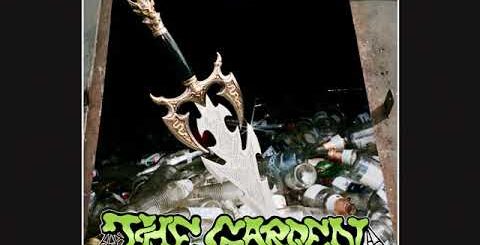
Thy Mission by The Garden Lyrics Meaning – Unraveling the Labyrinth of Modern Existentialism
Lyrics
Drum stick vanilla
Expiration date
That can give you salmonella
Truth is I’m lucky
I made it off a fluke like a junkie
Soil is so murky
Future is a haze, I am foggy
I’m a stupid prick
Talking to myself
On the way home
I don’t need your help
Even if I did
I wouldn’t let you know
Flame lit like a candle
Chop it up and go
I can pay you twenty
I called so many times
I can pay you twenty
Don’t know what’s in these bags
I can pay you twenty
I called so many times
I can pay you thirty
Don’t know what’s in these bags
Scum shit, dumb shit
Drum stick vanilla
Expiration date
That can give you salmonella
Truth is I’m lucky
I made it off a fluke like a junkie
Soil is so murky
Future is a haze, I am foggy
I’m a stupid prick
Talking to myself
On the way home
I don’t need your help
Even if I did
I wouldn’t let you know
Flame lit like a candle
Chop it up and go
I can pay you twenty
I called so many times
I can pay you twenty
Don’t know what’s in these bags
I can pay you twenty
I called so many times
I can pay you thirty
Don’t know what’s in these bags
In the dissonant anthem ‘Thy Mission,’ The Garden captures a generational pulse, one marked by chaos, uncertainty, and the relentless search for meaning in a world seemingly devoid of it. The duo, consisting of twin brothers Wyatt and Fletcher Shears, are known for their avant-garde approach to music, merging punk, electropop, and a stew of other genres to articulate the alienation of the modern psyche.
The track, enigmatic yet sharply resonant, is a testament to the complexities of inner turmoil and self-discovery through aberrant metaphors and candid lyrics. To dissect it is to delve into the intricacies of precarious youth, a generational zeitgeist of digital disarray, and the personal struggles that define the contours of existence.
The Salmonella of Existence: Bitter, but Potentially Transformational
Referencing an ‘Expiration date / That can give you salmonella,’ the song weaves a narrative of risks akin to consuming something past its prime. But this is not about food; it’s about experiences and relationships that can sicken the soul if indulged in beyond their natural cycle. The Garden isn’t just penning lyrics; they’re embedding cautionary tales about the dangers of overindulgence, be it in vices, technology, or emotional crutches.
Such warnings evoke a broader commentary on how society’s relentless pursuit of more – more connections, more experiences, more stuff – can lead to a sort of moral food poisoning, where what’s consumed to satiate the ever-growing hunger for meaning can instead lead to an existential malaise.
Navigating Murky Soils and Foggy Futures
Wyatt and Fletcher venture further into this landscape of uncertainty singling out ‘murky soil’ and a ‘foggy’ future. More than words, they serve as allegories for the instability and unpredictability of the paths they tread. As contemporary pilgrims in a digital desert, The Garden touches upon the dystopian present where the ground beneath our feet is unstable, the visibility low, and the direction forward anything but clear.
Listeners are guided into their world, one that echoes our own, where tomorrow’s prospects are shrouded in mist, and the only certainty is the ambiguity that lies ahead. This ‘fog’ represents both a challenge and a rite of passage, suggesting that clarity is earned through navigating the haze.
From Self-Dialogue to Self-Reliance
The autonomy professed in ‘I’m a stupid prick / Talking to myself / I don’t need your help’ exudes a peculiar blend of confession and defiance. The Garden isn’t just narrating; they’re deconstructing the stigma around self-conversation and flipping it into a symbol of self-reliance. This expression of independence symbolizes a broader social movement away from collectivist dependency toward individualistic endurance.
It echoes the isolating journey of personal development, emphasizing that within this surreal soundscape of self-talk lies a profound declaration: the journey to self-understanding is singular, and assistance, however well-intentioned, can be an unwelcome beacon when seeking inner direction.
Fleeting Finances and the Mystery Bags of Burden
Repetition of phrases like ‘I can pay you twenty’ and ‘Don’t know what’s in these bags’ serves to underscore a sense of economic precarity intertwined with the weight of unknown contents—physical or metaphorical. These ‘bags’ could represent the baggage we carry: psychosocial, emotional, or the pervasive financial stress that haunts the lives of many.
The increasing pay offered in the song speaks to a desperate measure in times of dire need, accentuating the bargaining we do with ourselves and others as we try to navigate the treacherous terrains of adulthood, suffused with its myriad obligations and uncertainties.
Unwrapping the Enigmatic Heart of ‘Thy Mission’
At first glance, ‘Thy Mission’ presents itself like an abstract painting—layers of conflicting textures and colors that dare the observer to find coherence. On closer inspection, however, it reveals a raw depiction of the flux of existence, the urge for self-determination, and the inescapable tango with ambiguity that marks the human experience.
Peering through the foggy tapestry The Garden weaves, the hidden meaning emerges as a reflection on the times—a contrasting mix of self-aware stupidity, indignant independence, and the pursuit of meaning in a consumerist society that packages purpose in opaque, unmarked bags.