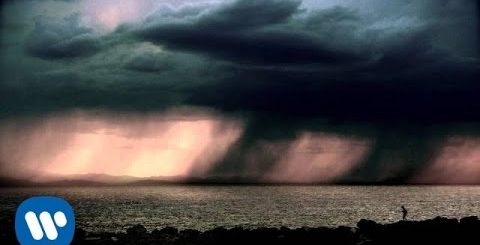
Toxic Garbage Island by Gojira Lyrics Meaning – An Eco-Warrior’s Anthemic Lament
- Music Video
- Lyrics
-
Song Meaning
- Echoes of Desolation: The Imposing Musical Landscape
- A Eulogy for the Dying Earth – The Song’s Poignant Narrative
- Confronting the Monstrosity – The ‘Great Pacific Garbage Patch’
- Piercing Through the Static – The Song’s Most Memorable Lines
- The Unseen Undertow – The Hidden Meanings in ‘Toxic Garbage Island’
Lyrics
Under this heavy sealing concrete waves
Followed by servants, funeral cortège
This pale ghost is gathering his strength
Ghost, pale, the procession is crawling
Plastic form dead things, it is now so clear
How could I fail to understand
Cities are burning, the trees are dying
My heart awake but still
Pain is killing me, pain is killing me
Take this pestilent destruction out of my way
The great pacific garbage patch is exhausted
And the world is sliding away in a vortex of floating refuse
With the sacred one you have lost
Plastic bag in the sea
Plastic bag in the sea
Plastic bag in the sea
Plastic bag in the sea
Provocative and unyielding, ‘Toxic Garbage Island’ by Gojira tunes into the heartbeat of our planet, thumping furiously against the plastic chokehold of modern waste. This isn’t just another song; it’s a battle cry, an ecological manifesto encapsulated within the guttural roars and piercing guitars of the French heavy metal leviathans.
The track serves as a harrowing reminder of the devastation we inflict upon the Earth, with a particular focus on the Great Pacific Garbage Patch—a massive collection of marine debris. As we dissect the lyrics, we unearth layers of visceral, poignant commentary cloaked in Gojira’s signature sonic ferocity.
Echoes of Desolation: The Imposing Musical Landscape
In the vein of Gojira’s masterful control over the metal genre, ‘Toxic Garbage Island’ creates a soundscape that’s eerily reminiscent of the desolate expanse it describes. Each thrumming bass note, every jarring riff simulates the oppressive weight of the ‘heavy sealing concrete waves’, as the lyrics so aptly describe. This isn’t just music; this is a mirror to the soul of the dredged and darkened sea.
The foreboding atmospherics, coupled with the relentless drumming, mimic the ceaseless, destructive march of humanity’s waste across the ocean’s surfaces. The ‘procession…crawling’ becomes almost palpable, as Gojira’s instrumentation drags the listener deep into the murky depths of the issue at hand.
A Eulogy for the Dying Earth – The Song’s Poignant Narrative
Frontman Joe Duplantier’s growls deliver much more than just aggressive vocal lines; they narrate the demise of Mother Nature herself. Through ‘Toxic Garbage Island’, we’re led as silent observers to the grim funeral of the Earth, where human negligence has forced nature to don the shroud of a ‘pale ghost’.
The song serves as a haunting eulogy for the trees that no longer stretch towards the sun and the cities condemned to ash by our own destructive hands. Each line of Duplantier’s delivered dirge is another nail in the coffin, a grim reminder that ‘pain is killing me,’—the pain of witnessing the catastrophic, perhaps irreversible damage we’ve caused.
Confronting the Monstrosity – The ‘Great Pacific Garbage Patch’
In an era of climate change and environmental crisis, Gojira’s focus zeroes in on one particularly stark emblem of human waste—the ‘Great Pacific Garbage Patch’. The song tackles this floating monument to pollution head-on, denouncing it as the ‘pestilent destruction’ that it is.
The reference to this man-made disaster is a sobering acknowledgment that our consumption and disposal patterns have spawned a ‘vortex of floating refuse’. The ‘sacred one’ lost among the waste could very well be our own sense of responsibility towards the Earth—a loss that leaves us spiritually wanting as much as it leaves our oceans cluttered.
Piercing Through the Static – The Song’s Most Memorable Lines
Among the cacophony of metal and message, a particular refrain echoes with chilling clarity—’Plastic bag in the sea’. This simple yet heartbreaking line is repeated with mantra-like intensity, embedding the reality of the pollution crisis into the consciousness of the listener.
It’s a minimalist hook, yet its repetition mirrors the incessant, ever-growing presence of waste in our waters. That such ordinary objects can become lethal to an ecosystem is a sharp commentary on the pervasiveness of our consumer culture’s dark side. These few words alone capture the tragic essence of the song’s narrative, serving as the haunting takeaway that resonates long after the track ends.
The Unseen Undertow – The Hidden Meanings in ‘Toxic Garbage Island’
At first glance, Gojira’s message seems as explicit as their sounds are heavy. However, buried beneath the discussions of environmental woes, there is an implicit critique of the socio-economic machines that feed such devastations.
The ‘mysterious form’, conjured in the haunting opening lines, perhaps alludes not just to the debris itself, but to the elusive nature of responsibility. It’s a shadowy indictment of those corporate entities and political frameworks that shroud their complicity in layers of bureaucracy and PR spin. Gojira’s island of trash becomes symbolic not just of ecological ruin, but of the smokescreen that obscures the culpable parties—as insidious and toxic as the garbage they have wrought.