Trust by Megadeth Lyrics Meaning – A Dive Into Betrayal and Broken Faith
Lyrics
Nothing is what it seems
Searching my head
For the words that you said
Tears filled my eyes
As we said our last goodbyes
This sad scene replays
Of you walking away
My body aches from mistakes
Betrayed by lust
We lied to each other so much
That in nothing we trust
Time and again
She repeats let’s be friends
I smile and say yes
Another truth bends,
I must confess
I try to let go, but I know
We’ll never end ’til we’re dust
We lied to each other again
But I wish I could trust
My body aches of mistakes
Betrayed by lust
We lied to each other so much
That in nothing we trust
God help me please, on my knees
Betrayed by lust
We lied to each other so much
That in nothing we trust
How could this be happening to me
I’m lying when I say, “Trust me”
I can’t believe this is true
Trust hurts
Why does trust equal suffering
Absolutely nothing we trust
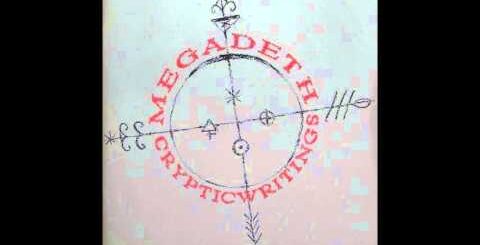
Megadeth, the thrash metal trailblazers, never shy away from addressing the deep and often dark crevices of human emotion. Their song ‘Trust’ from the critically acclaimed album ‘Cryptic Writings’ (1997) serves as a gripping narration of betrayal and the erosion of faith in a relationship. The song delves into the complexities of mistrust, weaving a tapestry of pain and revelation.
In ‘Trust’, Dave Mustaine, the band’s frontman, encapsulates a universal theme that transcends the confines of metal and strikes a chord with anyone who has ever felt the sting of deceit. The lyrics are a raw testimony to the struggles of holding on to belief in the face of lies and the all-too-human condition of searching for truth in a maze of duplicity.
The Paradox of Betrayal and Desire
At its core, ‘Trust’ is an exposition of paradox: the craving for the very thing that causes anguish. Mustaine’s character in the song grapples with the magnetic pull of a love soured by infidelity, each verse peeling back layers of conflicted emotions. The ache in his voice mirrors the physical discomfort of ‘body aches from mistakes’, illustrating the embodiment of psychological pain.
The lust he refers to, a primal force, stands accused as the betrayer, a symbolic representation of human vulnerability. It is this fundamental impulse that weaves the web in which trust becomes ensnared, ultimately leading to the song’s painful conclusion that ‘in nothing we trust’.
A Requiem for Trust: The Emotive Power of Mustaine’s Lyrical Craft
Poetic and poignant, Mustaine’s choice of words cuts deep into the psyche. ‘Tears filled my eyes / As we said our last goodbyes’ speaks to the moment of parting, a universal experience of loss that resonates with the listener’s own memories of farewell. The vivid imagery in these lines evokes a sense of relatable sorrow and solidarity in the face of pain.
The idea of repeating mistakes, of lying ‘to each other so much’, transforms the song into a kind of tragic romance, where the characters are helplessly spiraling in a cycle of deception. These memorable lines capture the essence of their predicament and the futile hope that trust, once lost, might be recovered.
Dissecting the Heartache: The Song’s Hidden Meaning
‘Trust’ may also be interpreted as an allegory for Mustaine’s relationship with the industry and even with the members of his band. Known for tumultuous relationships and a history of line-up changes, ‘Trust’ can be seen as a metaphorical representation of the music business at large, encapsulating the duplicity and politics that often undermine artistic integrity.
In this light, ‘God help me please, on my knees / Betrayed by lust’ reflects Mustaine’s personal struggles and his plea for deliverance from the industry’s seductive yet often deceptive nature. The song becomes a canvas on which Mustaine paints not only the struggles of a romantic relationship but also the broader challenges of navigating a treacherous environment where loyalty is rare.
The Lingering Echo: Why ‘Trust’ Still Resonates
‘Trust’ endures as one of Megadeth’s most beloved tracks because it taps into the timeless human experience of doubting and being doubted. Its exploration of mistrust and betrayal captures the zeitgeist of an era where truth feels increasingly fluid, and sincerity is a commodity in short supply. The song becomes an anthem for those wary of false promises, in both personal encounters and communal narratives.
In the chorus, when Mustaine exclaims, ‘But I wish I could trust’, there is a sense of longing, a desire to believe despite the scars. It reflects the dualistic nature of humanity’s yearning to connect and the protective instinct to guard against further harm. This emotional dichotomy gives the song a depth that resonates with many, solidifying its place in the pantheon of heavy metal anthems.
Breaking Down Suffering’s Synonym: Trust Equals Pain
‘Trust hurts / Why does trust equal suffering,’ Mustaine laments, encapsulating the song’s crux. His words suggest that to trust is to open oneself to the possibility of pain, yet to refuse trust is to deny the foundation of meaningful connection. The song confronts listeners with an uncomfortable truth: that vulnerability is both the cost and the beauty of genuine relationships.
In this chilling acknowledgement, ‘Trust’ challenges its audience to reflect on their own lives. Are the lies we tell ourselves and each other necessary betrayals, or do they stem from a misunderstood defense against the world? The song not only provides a cathartic outlet but poses existential questions that deepen its impact, making ‘Trust’ a mainstay in discussions about the complexities of human emotion.