Victim of Changes by Judas Priest: Peeling Back the Layers of a Heavy Metal Monolith
Lyrics
The liquor you give stems your will to live and gets right to my brain
Don’t you know you’re driving me insane?
You’re tryin’ to find your way through life
You’re tryin’ to get some new direction
Another woman’s got her man
But she won’t find no new connection
Takes another drink or two
Things look better when she’s through
Take another look around, you’re not going anywhere
Realized you’re gettin’ old and no one seems to care
You’re tryin’ to find your way again
You’re tryin’ to get some new
Another woman’s got her man
But she won’t find a new, oh
Takes another drink or two
Things look better when she’s through
You been foolin’ with some hot guy
I want to know why is it why
Get up, get out, you know you really blew it
I’ve had enough, I’ve had enough, good God, pluck me
Once she was wonderful
Once she was fine
Once she was beautiful
Once she was mine (once she was mine)
Change has come over her body
She doesn’t see me anymore
Now change has come over her body
She doesn’t see me anymore
Changes
Changes
Changes
Changes
Victim of changes
No, no, no
No
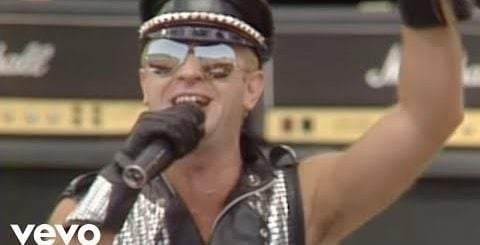
Judas Priest’s ‘Victim of Changes’ stands as a monolithic figure in the annals of heavy metal history. A sprawling epic from their 1976 album ‘Sad Wings of Destiny’, the song captures a band in the throes of transformation, harnessing the wailing vocals of Rob Halford atop twin guitar mountains crafted by K.K. Downing and Glenn Tipton. But what makes ‘Victim of Changes’ more than just a riveting piece of music is the depth of its lyrics.
On the surface, the song could be read as a lamentation of a romantic relationship gone awry, distorted by substance abuse and infidelity. Yet, much like the layers of its heavy, intricate guitar work, ‘Victim of Changes’ reveals more upon each listen, delving into themes of aging, the inexorable march of time, and the personal metamorphosis that comes with a hard-lived life.
The Siren’s Call: Substance as False Salvation
Opening with the lines ‘Whiskey woman don’t you know that you are drivin’ me insane,’ the song dives headfirst into an allegory of substance abuse. The ‘whiskey woman’ serves as a metaphor for addiction, offering fleeting comfort that ultimately exacerbates the protagonist’s suffering, suggesting a vicious cycle of dependency. Priest captures this caustic relationship with the visceral imagery that is both stark and suffused with a raw, unflinching honesty.
The phrase ‘The liquor you give stems your will to live and gets right to my brain’ puts into stark relief the debilitating effects of alcohol, and by extension, any substance, when leaned on as a crutch. The song demands us to confront the illusion of control one might feel in the heartbeat of inebriation, only to reveal itself as a falsified directive force.
A Mirror to Aging and Obscurity
In a society infatuated with youth and celebrity, ‘Victim of Changes’ amplifies the fear and insecurity that accompanies aging. ‘Take another look around, you’re not goin’ anywhere/Realized you’re gettin’ old and no one seems to care’ speaks to an existential dread, an inevitability that no amount of fame or excess can remedy. It’s a haunting reminder that time spares no one, and recognition can be as fleeting as the years that slip by.
The song functions as both an admonishment and a eulogy for the dreams that disintegrate with time. The steady, almost plodding rhythm serves to underscore the lethargy and resignation that can taint one’s outlook when their best days are perceived to be behind them.
The Parable of Lost Love and Distance
Beneath the brooding riffs lies a tale of love lost, of bonds broken by the relentless pursuit of desire beyond the commitments of a relationship. ‘Another woman’s got her man/But she won’t find no new connection’ portrays the aftermath of betrayal, the emotional desert that ensues after infidelity.
There is a sense of desolation within these lines, of bridges burned and empty futures. Yet, there is also an accusation, a sense of justice that the offending party will find no solace in their choices, no warmth in the arms of others. It’s a complex weave of anger, sadness, and schadenfreude that fills the middle stanzas.
Dissecting the Song’s Hidden Meaning: Self-Reflection and Redemption
While ‘Victim of Changes’ explicitly navigates the external struggles of addiction and betrayal, its hidden narrative is an inward journey. The repeated changes refer not just to the physical and relational but suggest a transformation of self. The struggle is not only with the outside world but with the internal landscape.
The victim in this piece is as much a participant as a bystander, an individual who has contributed to their downfall through their own actions or inaction. The powerful refrain of ‘Changes, changes, changes’ speaks to the internal battle we all face when confronting our demons, and how we can be both the harbinger and the affected by the alterations in our lives.
Songs Reverberating Lines: ‘Once she was mine’
Amongst the metallic symphony of ‘Victim of Changes’, some lines resonate with the pang of universal truth. ‘Once she was wonderful/Once she was fine/Once she was beautiful/Once she was mine’ cuts to the core, echoing the lament we all know—loss.
This reflection on what’s been lost not just to time or to others, but to change itself, is the emotional crescendo of the song. It’s a painful recognition that life’s only constant is indeed change, be it the fading beauty of a loved one or the decaying dynamism of one’s youth. These words serve as a sobering reminder of life’s impermanent nature, inviting the listener to reflect on all that was and will never be again.