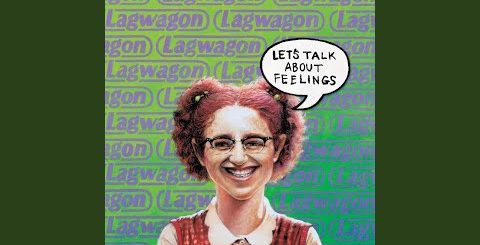
Violins by Lagwagon Lyrics Meaning – Unraveling the Threads of Disconnection and Regret
Lyrics
And I have to, keep telling myself that
I am just a hypocrite,
And I have to, keep calling you one
And I forgot to bite my tongue,
As my assumption, is the mother of all mistakes
So I assume the role, open my mouth,
And clumsy words escape
So why you, want to to be there,
When you could be here,
You are slipping away
I awake with your replacement,
A bottle in my grasp, in an unfamiliar place
Because you put me out,
The butt of a sick joke, into this ashtray life
As you come and go, ’cause I forgot
To service you, and we broke down
And you can’t live with my mistakes,
But I assume false grace
Open my open arms and grasp at for something true
How are you, how have you been,
Girl I miss you, want to see you again
Oh why you, want to to be there,
When you could be here
You are slipping away
I bring out the worst in you,
And you try to let me know
You bring out the worst in me,
Anxiety, anxiety
I’m trying to let you go,
You say I’m giving you the creeps
So I assume the bole, open my claws
And grasp for your heart
How are you, how have you been,
Girl I miss you, want to see you again
Into you like a mortal stake so vindictive
Your love’s slipping away
Violins, into this ashtray life
Violins, the butt of your sick joke
Violins, I’m trying hard to let you go (violins)
At first glance, ‘Violins’ by Lagwagon may seem like a straightforward punk rock melody that’s high-energy and filled with angst. But delve a little deeper beneath the surface, and you’ll uncover a complex narrative brimming with emotion, introspection, and the rawness of relational decay. This piece isn’t just a catchy tune from the 90s; it is a poignant exploration of human flaws and the aching remnants of a love turning sour.
Joey Cape, the frontman of Lagwagon, has the uncanny ability to convey universal truths through personal confessions, turning a melody into a mirror that reflects the tumultuous nature of human relationships. The song ‘Violins,’ from their 1995 album ‘Hoss,’ executes this with precision, painting a vivid picture of self-awareness and the agony of grasping onto threads of connection slipping through the fingers.
The Struggle with Self-Identity in a Relational Context
Cape’s opening lines set the stage for a confession – an admission of not only his flaws but a shared weakness with his counterpart. By identifying himself as ‘another fool’ and a ‘hypocrite,’ he strips down any façade, initiating an introspective journey into the dichotomy of self-awareness and denial. This acknowledgment is both liberating and haunting, as it sets the tone for the cyclical struggle with self-identity in the face of relational turbulence.
Throughout the song, there is a persistent undercurrent of self-deprecation and internal conflict. Call-and-response phrases like ‘I awake with your replacement’ and ‘You are slipping away’ depict the push-and-pull dynamic, emphasizing the tug-of-war between wanting to retain the affection we feel we deserve and realizing it may not be what we receive.
An Anthem of Mistakes and Miscommunication
What ‘Violins’ does remarkably well is capture the essence of human error—the ‘clumsy words’ that ‘escape’ and the acts of assumption that lead to the ‘mother of all mistakes.’ These lines resonate with anyone who has experienced the aftermath of misunderstandings and the bitter taste of words that cannot be taken back.
The very mention of ‘violins’ can be seen as a metaphorical representation of the dramatic and often exaggerated emotional response to the pain of realizing that one’s actions have contributed to a failed connection – an internal orchestra playing the tragic soundtrack of a relationship’s demise.
Decoding the Hidden Meaning Behind the Metaphors
When dissecting the deeper narrative woven into the fabric of ‘Violins,’ metaphors stand out as powerful tools of expression. The ‘ashtray life’ and being ‘the butt of a sick joke’ conjure images of being discarded, used, and laughed at—feelings that are synonymous with being abandoned or inadequately valued in a relationship.
These metaphors are not just decorative language but serve as a bridge to the hidden meaning of the song: the struggle to maintain one’s essence amidst the ashes of a once-flaming love. They offer glimpses into the psyche of someone who has grown weary of the masquerades involved in trying to hold onto a partner who seems disinterested in doing the same.
‘I’m Trying Hard to Let You Go’: The Painful Path of Release
Perhaps one of the most piercing moments of ‘Violins’ arrives in the simple but powerful line ‘I’m trying hard to let you go,’ which encapsulates the heart of the song’s narrative. Even in the cacophony of self-doubt and the back-and-forth of a crumbling dynamic, the will to let go is both tragic and heroic. It captures the paradox of holding tight versus the necessity of letting go for personal peace.
This line is a candid glimpse into the complexities of the human heart, which clings irrationally to what harms it and sometimes finds the courage to seek healing in detaching, to give up not in defeat but in pursuit of something more tranquil.
Memorable Lines that Cut to the Core
‘Violins’ is peppered with memorable lines that cling to the listener long after the song ends. ‘So I assume the role, open my mouth, and clumsy words escape’ offers a visual and relatable experience of saying the wrong thing—to the detriment of the very relationship one wishes to keep intact. It’s a universal experience of regret, wrapped up in a moment of harsh self-reflection.
It is in these lines where ‘Violins’ transcends the realm of punk rock and enters into a poetic dialogue with the listener—a conversation about love, loss, and the uncomfortable awakening to one’s hand in the collapse of something once cherished.