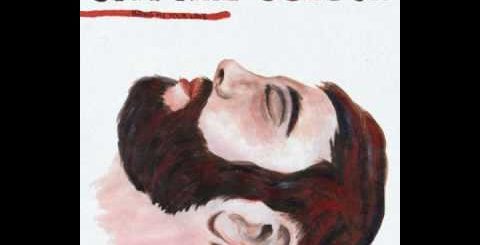
Waiting… by City & Colour Lyrics Meaning – Unraveling the Poetic Embrace of Existential Lyrical Craftsmanship
Lyrics
You’re weighed down you’re full of something of sickness and desertion
You’re weighed down you’re full of something you’re underneath it all
So say goodbye to love and hold your head up high
There’s no need to rush we’re all just waiting, waiting to die
Hope in better place is all I need with moments of innocence and mystery
oh it’s the little things you miss like waking up all alone
oh it’s the little things you miss when you’re underneath it all
So say goodbye to love and hold your head up high there’s no need to rush we’re all just waiting, waiting to die
All your friends seem like enemies when you’re broken down and empty ooh ooh all your friends seem like enemies when you’re broken down and empty
So say goodbye to love and hold your head up high there’s no need to rush we’re all just waiting, waiting to die
The haunting melody of City & Colour’s ‘Waiting…’ spins a thread of contemplative melancholy that resonates with the stark realities of human existence. Dallas Green, the soul behind the project, has a gift for exposing the raw nerves of the emotional spectrum with piercing clarity and somber elegance.
In the shifting sands of the music landscape, ‘Waiting…’ emerges as a poignant testament to the universal human experience, interweaving its narrative of desolation and the inexorable march of time with an intensity that begs deeper inspection.
The Sombre Prelude: An Encounter with Emotional Heaviness
When City & Colour croons about being ‘weighed down, full of something,’ they’re not just invoking a feeling – they’re painting a psychological state. The illusion of a coma as a preferable state hints at a profound lethargy and disconnection from the world, suggesting a soul in turmoil, searching for a starting point amidst life’s overwhelming pressures.
The imagery of sickness and desertion haunts the listener, creating a sense of empathetic distress. It is this realism, pregnant with emotional burden, that renders ‘Waiting…’ a stark mirror reflecting our darkest moments of solitude and inner conflict.
A Silent Goodbye to Love’s Warm Embrace
As the chorus swells with the advice to ‘say goodbye to love and hold your head up high,’ it’s not just a poetic flourish. The resignation is palpable, implying a bitter acceptance of a truth about the human condition we often dare not acknowledge. It’s about confronting love’s fleeting nature and finding solace in solitude.
The anthem’s stoic acceptance morphs into a battle cry against the rush of life, suggesting that in our quest for meaning and connection, we may be missing the point. City & Colour seems to ask us to find peace in the waiting, the in-between, the approaching end that is innate to all.
Yearning for Innocence in a Veil of Nostalgia
‘Waiting…’ touches a nerve when it speaks to ‘moments of innocence and mystery,’ reminding us of simpler times. It’s a longing for the past when life seemed unspoiled by the complexity of today’s existence.
City & Colour excels in highlighting ‘the little things you miss,’ a reflection upon the tiny sparks of joy easily overshadowed in the expansive gloom of ‘waiting to die.’ These lines are a call to mindfulness and an appreciation of transient, often taken-for-granted pleasures.
Unveiling the Song’s Hidden Meanings: A Reflection on Companionship and Isolation
‘All your friends seem like enemies when you’re broken down and empty.’ Here, Dallas Green captures a profound loneliness that more than touches the heart – it envelops the spirit. It’s a contemplation on the shifting sands of relationships and the stark isolation that envelopes one in their lowest hours.
The song dares to delve deep into the psyche, revealing a hidden meaning that transcends mere poetic musings. It confronts the listener with their own vulnerabilities — questioning the essence of companionship when one is left alone with their shattered pieces.
The Immortal Lines: Embracing the Inevitable with Poetic Defiance
‘We’re all just waiting, waiting to die.’ This recurring line, far from being morbid, is an embrace of life’s ultimate reality. In these words lies a paradoxical celebration of life, wrapped within the sobering acceptance of mortality.
Green manages to leave an indelible impression with this line, urging listeners to interpret it not as a nihilistic surrender but as an incentive to live fully and meaningfully while encased in the temporal flesh of existence.