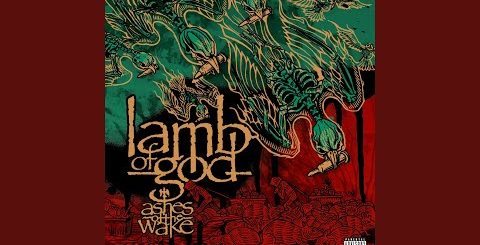
What I’ve Become by Lamb of God Lyrics Meaning – Exploring the Depths of Disillusionment and Betrayal
- Music Video
- Lyrics
-
Song Meaning
- The Lost Souls of Modernity: Picking Apart Lamb of God’s Lament
- Deciphering the Chorus: A Cry for Redemption or Declaration of Despair?
- Unearthed Aspects of Betrayal in ‘What I’ve Become’
- The Masterpiece Metaphor: Grinding Gears of Existence
- The Echoes of Iconic Phrases: Losing Self in the Quest for Purpose
Lyrics
So withered from the poisons they can’t remember when
There were once honest reasons
It’s all a lie, it died 100,000 miles ago
Pretending I’m still here
Justify what I’ve become
Sanctify what I’ve become
Amazing disgrace how sweet the sound that saved a wretch like me
Better lost if this is found, best blinded never to see
The race to save face, nothing now is what we meant it to be
Pretending I’m still here
It’s a system now, intertwined
Take your place in the line to be ground by the gears of the masterpiece
Betrayal
Justify what I’ve become
Sanctify what I’ve become
Suffered consequence
It’s been so long since
Any piece of this
Made any kind of sense
You anoint the king,
I’ll burn everything
Down to ashes
You giveth, I taketh away
You giveth, I taketh away
It’s a system now, intertwined
Take your place in the line to be ground by the gears of the masterpiece.
Betrayal
In the cacophony of modern metal, Lamb of God’s ‘What I’ve Become’ strikes with the precision of a sledgehammer, forging its place within the genre as a narrative of self-reflection marred by disillusionment. The track, drawn from the rich tapestry of the band’s discography, encapsulates the essence of internal struggle and the perils of the human condition.
As we delve into the lyrical labyrinth that frontman Randy Blythe lays before us, one can’t help but become entranced by the cyclical journey of realization and redemption that plays like a modern-day descent into Dante’s inferno. ‘What I’ve Become’ is more than a song—it’s an incantation of the struggle, a mirror that reflects the darkest parts of the soul.
The Lost Souls of Modernity: Picking Apart Lamb of God’s Lament
The opening lines of ‘What I’ve Become’ paint a haunting portrait of individuals severed from their purposes, ‘blank stares from broken men.’ Lamb of God elevates their narrative through the acknowledgment of an all too common numbness pervasive in contemporary society. This is less a song than it is a diagnostic for the existential agony that plagues the modern world.
The poison isn’t named, but it could be anything from actual substance abuse to the more figurative toxins of burnout and disenchantment in an increasingly commodified culture. Mark Morton’s thrashing riffs and Chris Adler’s relentless drumming serve as the perfect backdrop for this dark diagnosis.
Deciphering the Chorus: A Cry for Redemption or Declaration of Despair?
Blythe’s gruff delivery of ‘Justify what I’ve become, Sanctify what I’ve become’ sounds like an invocation, or perhaps a plea bargaining with the self. There’s a spiritual wrestle here, one that begs for validation despite the metamorphosis into something less than ideal. The repetition signifies a tumultuous effort to reconcile what is with what should have been.
In the call for justification, there seems to be a seeking of understanding or forgiveness, while sanctification brings forth a holy context: the desire to be cleansed or set apart despite the evident flaws. It’s a poignant reflection of the human desire for absolution even within self-inflicted turmoil.
Unearthed Aspects of Betrayal in ‘What I’ve Become’
The sense of betrayal in ‘What I’ve Become’ runs deeply existential. There’s a betrayal by the system, the monarchy of modern mechanics that grinds individuals into conformity. It’s a grand narrative of living inside a ‘masterpiece’ so intricate yet so impersonal that it swallows identities whole.
The portrayal of sacrifice on the altar of societal advancement is not just physical but also emotional and spiritual. The inherent betrayal of one’s essence for the pursuit of a communal construct that seems alien to personal truths turns ‘What I’ve Become’ into a revolutionary heart-cry.
The Masterpiece Metaphor: Grinding Gears of Existence
‘It’s a system now, intertwined’ suggests an inescapable mesh of circumstances and consequences. It paints a grim picture of the human experience as cogs within a colossal machine, a system designed under the guise of progress, in which humanity is the casualty.
The metaphor extends itself to the grander scheme in which every individual plays their part ‘in line to be ground by the gears.’ Blythe’s use of the word ‘masterpiece’ is soaked in sarcasm—a societal magnum opus that, ironically, undoes the very beings it’s supposed to represent.
The Echoes of Iconic Phrases: Losing Self in the Quest for Purpose
‘Amazing disgrace how sweet the sound,’—a twisted nod to the hymn of old, encapsulates the bitter irony of recognition in downfall, suggesting perhaps, it’s only in the depths of disgrace that one can truly comprehend the sense of self.
This paradox of finding clarity in what seems to be the obfuscation of life resonates as a central theme in ‘What I’ve Become.’ Each line, each syllable throbs with the weight of an identity fragmented by the quest for meaning in a world that’s constantly shifting the markers.