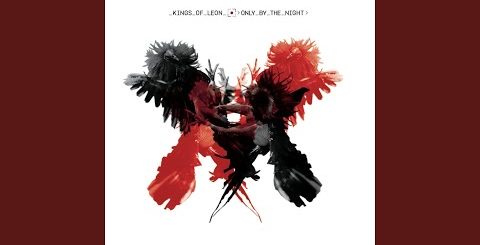
Wicker Chair by Kings of Leon Lyrics Meaning – Unraveling the Threads of Isolation and Self-Destruction
Lyrics
Unsuspicious nobody cares for you
You’re so fucked up again
You laugh at nothin’ in the pouring rain
Try to tell yourself you’re not insane
You fool, I hate you sometimes
Hey, you know it ain’t coincidental that you’re lost in place
It’s drippin’ off your face, and you’re losin’ your precious mind
Send me a postcard if you get that far
You got a couple pennies in your rusty jar
The truth you’ve been gone for awhile
It’s hard lookin’ at you when you look that way
With your one night stands and your sleep all days
Ooh you’re such a slut sometimes
Hey, you know it ain’t coincidental that you’re lost in place
It’s drippin’ off your face, and you’re losin’ your precious mind
You’re losing your mind
In the tapestry of rock music, Kings of Leon have woven narratives that capture the essence of human emotion, often with a rawness that is both alluring and haunting. ‘Wicker Chair,’ a track from their debut album, encases a tale of desolation and self-inflicted sorrow within its melancholic chords.
As we delve into the enigmatic lyrics penned by the Followill brothers, what emerges is not just a song, but a window into a moment – a snapshot of a soul in turmoil. The song may not have been as widely commercialized as their later hits, but within its verses lies a depth of storytelling that beckons a closer look.
The Lonely Throne – Imprisoned by a Wicker Chair
The wicker chair, a seemingly mundane piece of furniture, emerges as a poignant symbol of entrapment and neglect. The subject sits ‘unsuspicious,’ suggesting a lack of awareness of their own pitiable state, surrounded by a world that remains indifferent to their plight.
This image of solitary confinement within the realms of an uncaring environment serves to paint a picture of a character who, lost in their own desolation, is rendered immobile by the weight of their woes. The chair, ostensibly a place of rest, becomes their prison.
Drenched in Denial – A Portrait of Self-Deception
Kings of Leon masterfully portray a character caught in the throes of denial, confronting the rainfall of their own volatile emotions. The lyrics, ‘You laugh at nothin’ in the pouring rain, Try to tell yourself you’re not insane,’ evoke a powerful image of someone trying to maintain composure while chaos consumes them.
The laughter in the face of adversity, whether genuine or a defense mechanism, is a testament to the character’s audacious attempt to dismiss the seriousness of their fracturing psyche. However, the self-directed admonishment, ‘You fool, I hate you sometimes,’ reveals an inner struggle between the facade of normalcy and the recognition of their decline.
The Torment of Transient Ties – The Hidden Meaning Uncovered
The recurring mention of fleeting relationships, such as ‘your one night stands and your sleep all days,’ hints at an underlying desperation for connection amidst the chaos. It is this haunting loneliness and the search for meaning in temporary solace that weave the hidden tapestry of the song’s message.
Here, Kings of Leon touch upon the human condition’s darker aspects; the compulsion to fill the void with immediate yet ephemeral pleasures, only to be left with a deeper sense of emptiness. It’s a cyclical torment, where validation is sought after in all the wrong places.
Postcards from the Edge – Echoes of Syliva Plath
The line, ‘Send me a postcard if you get that far,’ echoes the sentiment found in Sylvia Plath’s literature – the notion of journeying beyond one’s mental constraints. It breathes life into the hope that, despite feeling lost, there is potential for the character to send word from a place of recovery, however distant that may seem.
With Plath often exploring themes of self-destruction and mental illness in her work, it is as though Kings of Leon are channeling her spirit, acknowledging the depth of human suffering while still allowing a sliver of hope to shine faintly in the darkness.
Evocative Echoes – The Lines That Stick
Kings of Leon captivate us with their ability to turn a simple phrase into something that resonates deeply. ‘Hey, you know it ain’t coincidental that you’re lost in place,’ is one such line that strikes at the core, highlighting the notion that one’s downfall is often not a matter of chance but a culmination of choices and circumstances.
It is through these memorable lines that the listener is invited to reflect on the interplay between fate and autonomy. The song becomes a mirror, challenging us to see the fragments of ourselves in the subject’s struggle, and perhaps, to question how we confront our own inner turmoil.