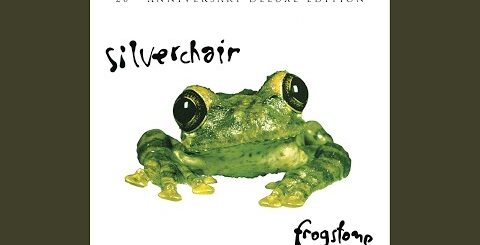
Abuse Me by Silverchair Lyrics Meaning – Unraveling the Shadows of Self-Reflection
Lyrics
Calling out my name
Nothing seems to bother
Wish I had a clue
Come on, abuse me more I like it
Well, I don’t think you like me
Well, I hate you as well
No one seems to like you
Wish I couldn’t tell
Come on, abuse me more I like it
Come on, keep talking ’cause it’s true
Come on, abuse me more I like it
Come on, keep talking ’cause it’s true
Throw the sailors overboard
Throw the sailors overboard
Throw the sailors overboard
Throw the sailors overboard, overboard
Come on, abuse me more I like it
Come on, keep talking ’cause it’s true
Throw the sailors overboard
Throw the sailors overboard
Throw the sailors overboard
Throw the sailors overboard
Throw the sailors overboard
Throw the sailors overboard
Throw the sailors overboard
Throw the sailors overboard, overboard
In the pantheon of ’90s alternative rock, Silverchair carved out a place of haunting introspection and blistering honesty. The band’s 1997 track ‘Abuse Me’ from the album ‘Freak Show’ presents a complex tapestry of self-image, masochism, and the human penchant for negative feedback loops. It’s a song that transcends its grunge roots to delve into the depths of the psyche.
Decoding ‘Abuse Me’ is akin to stepping into a realm where self-deprecation meets an eerie form of comfort. Taken at face value, the song might seem like a straightforward cry for help or an unfiltered exclamation of masochistic tendencies. However, as we plunge beneath the surface, it becomes clear that Daniel Johns, the band’s frontman and songwriter, is performing an intricate dance with themes of identity and the twisted gratification found in one’s own suffering.
A Mirror to the Masochist Soul
The chorus line ‘Come on, abuse me more I like it’ seems to serve two purposes. On one hand, it is a direct address to the antagonist, an invitation to continue their behavior. On the other, it is a reflection on the human condition and our occasional tendency to find comfort in negative reinforcement. Johns’s lyrics might not glorify the act of abuse but rather amplify the voice within that paradoxically revels in hurt, begging the listener to consider the complexity of our desires.
In the world of ‘Abuse Me,’ the relationship between tormentor and victim blurs—Johns’s provocative invitation is fraught with sarcasm, yet tinged with a startling degree of sincerity. It’s a dichotomy that captures the song’s essence, a dare to the listener to explore the blurred lines of our own self-destructive inclinations.
A Haunting Ode to Outcast Angst
The lines ‘Well, I don’t think you like me, Well, I hate you as well’ extend beyond a mere exchange between two individuals—it’s the anthem of the outcasts, a jarring confrontation with alienation. Silverchair, even at their young age during the song’s creation, tapped into a universal feeling of rejection and the spiral of resentment and self-loath it can induce.
These lines are not just a retaliation but an admission of mutual dislike, capturing the essence of teenage angst. The outer conflict with the world is internalized, creating a poignant commentary on our relationship with society and how it shapes our self-perception.
Deciphering the Metaphor of the Sailors
Among the most cryptic parts of ‘Abuse Me’ are the repeated lines ‘Throw the sailors overboard.’ The image of sailors, typically emblematic of exploration and freedom, being cast into the sea is a stark one. It could be interpreted as a metaphor for sacrificing one’s navigators, the voices or guides that are supposed to offer direction, for the pursuit of self-inflicted turmoil.
This powerful imagery suggests a rejection of conventional wisdom or perhaps the voices of authority that seek to steer one’s life course. Johns throws these sailors overboard in a symbolic act of detachment from the societal norms that often dictate our actions and self-worth. It’s an outright rebellion against the pressures of conformity, casting aside the ‘sailors’ that keep us tethered to expectations.
The Voice of Defiance Against Pity
The insistent callback ‘Come on, keep talking ’cause it’s true’ serves as a chilling acknowledgment of the sliver of truth in the barbs of abuse. It reflects a certain defiance, wherein the victim takes ownership of the mockery, refusing to crumble under the weight of scorn. Instead, Johns seems to say, let the talk continue if it carries truth, a brazen pushback against the idea of being silenced by pity or mockery.
If ‘Abuse Me’ were a canvas, this line would be the bold strokes counteracting the taint of victimhood. It is not about celebrating abuse but recognizing the power in confronting and acknowledging it. Johns, in this way, turns the song into a fortress of resilience.
The Hidden Layers of ‘Abuse Me’ Unveiled
‘Abuse Me’ can be seen as a haunting lullaby to the damaged soul. Beneath the veil of self-deprecation and outward hostility lies a nuanced introspection about the human psyche. Johns invites listeners into a heady world where seeking validation in toxicity is confronted with unflinching honesty.
Perhaps the song’s true meaning is a reflection of the complexity of the human heart—our contradictory yearning for adoration and our self-destructive appetites. Silverchair presents not just a melody of melancholy but a riddle wrapped in the enigma of our darkest cravings, asking us to ponder where the line between abuse and self-acceptance truly lies.