The Greatest View by Silverchair Lyrics Meaning – Ascending the Pinnacles of Rock Poetry
- Music Video
- Lyrics
-
Song Meaning
- A Melancholic Muse: Interpreting the Abstract Openness
- In Search of the Invisible Audience: The Song’s Hidden Meaning
- Mistakes as Milestones: Celebrating Flawed Journeys
- The Unseen Bind of Connection: Grasping Silverchair’s Sonnet of Solitude
- Letting Go and Holding On: The Duality of Release in The Greatest View
Lyrics
The fungus in my milk,
When you want no-one,
And you got someone,
Through the wind you crawl,
And laugh at burning dunes,
When no-one else will ever see
Now that you know why you feel like you do
They’re turning their head
Whilst they wait for no-one
And finally I know why you feel like letting it go
I’m watching you, watch over me
And I’ve got the greatest view from here
Mistakes don’t mean a thing,
If you don’t regret them,
So pack your tactic toes for the winter
Chain a waterfall,
To a burned and withered skin
When no-one else will ever see
I’m watching you, watch over me
And I’ve got the greatest view from here
Now that you know why you feel like you do
They’re turning their head
Whilst they wait for no-one
And finally I know why I feel like you’re letting me go
I’m Watching you, watch over me
And I’ve got the greatest view from here
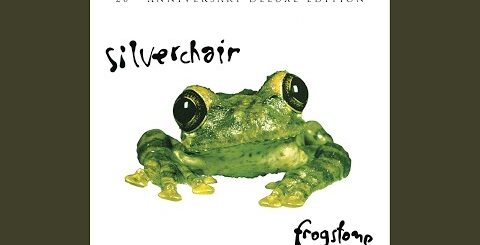
Silverchair, the post-grunge prodigies from Down Under, have crafted an extensive catalog of anthems that have resonated with the angst and aspirations of a generation. Amongst their acclaimed arsenal of tracks lies ‘The Greatest View,’ a soaring composition that dovetails personal introspection with celestial sonics.
Delving into the soul-stirring depths of this emotive powerhouse, we explore the multiple layers etched into its lyrics, unraveling the intricate tapestry of meaning that frontman Daniel Johns deftly weaves through this musical masterpiece.
A Melancholic Muse: Interpreting the Abstract Openness
The track’s opening lines, ‘You’re the analyst, The fungus in my milk,’ set a tone for a journey that’s as metaphorically rich as it is contradictory. The song invokes imagery that feels both intimately personal and vast, suggesting a complexity beyond simple interpretation. Johns’ subtle wordplay hints at the idea of someone or something being both essential and intrusive.
This duality of significance and annoyance, the delicate balance between needing and loathing, acts as an undercurrent throughout the song. From the listener’s perspective, it’s as if we’re glimpsing into a private diary, where the words are meant for one but felt by many.
In Search of the Invisible Audience: The Song’s Hidden Meaning
The haunting chorus, ‘I’m watching you, watch over me, and I’ve got the greatest view from here,’ suggests a transcendental surveillance, a mutual vigilance that elevates the song into a higher emotional echelon. There is a sensation of being on the verge of omniscience, where every action and non-action carries immense weight.
The ‘greatest view’ may allude to the clarity one gains from being outside yet within an experience, a conscious observer of life’s theater. It’s a reminder of the power we hold as sentient beings to interpret and be interpreted, to watch and be watched, and to find solace in this perpetual exchange.
Mistakes as Milestones: Celebrating Flawed Journeys
Silverchair doesn’t just scrutinize the human condition; they celebrate its imperfections. ‘Mistakes don’t mean a thing, If you don’t regret them,’ serves as an antithesis to the traditional narrative of fault and penance. It places agency in the hands of the beholder, the subjective filter through which life’s events are distilled.
By encouraging the listener to discard regret and acknowledge errors as an integral part of growth, Silverchair conjures a counter-culture manifesto, a credo for those unafraid to face their missteps openly and without remorse.
The Unseen Bind of Connection: Grasping Silverchair’s Sonnet of Solitude
‘Through the wind, you crawl, And laugh at burning dunes, When no-one else will ever see,’ invokes a sense of profound isolation amidst the drudgery and spectacle of existence. Yet, there is laughter—a celebratory defiance, an indication that understanding one’s path doesn’t necessitate external validation.
Johns tenderly acknowledges this loneliness, not as a pitiable state, but as a canvas for personal revelation. The audience is invited on this solitary voyage, to find comfort in the starkness of one’s inner dialogue, shielded from the prying eyes of the world.
Letting Go and Holding On: The Duality of Release in The Greatest View
The evolution of the song’s narrative from individual introspection to the declaration, ‘And finally I know why you feel like letting it go,’ treads the delicate line between freedom and despair. There’s a visceral wrestle with the concept of release—letting go as an act of choice, a relinquishing of control, as much as of necessity.
The struggle culminates in an almost whispered confession, indicating a convergence of perspective and a yielding to the emotional currents that have swelled throughout the song. Johns leaves us teetering on the edge of comprehension, where letting go becomes both a personal catharsis and a collective sigh.