As rosas não falam by Cartola Lyrics Meaning – Unraveling the Poetic Soul of Samba
Lyrics
Com esperanças o meu coração
Pois já vai terminando o verão,
Enfim
Volto ao jardim
Com a certeza que devo chorar
Pois bem sei que não queres voltar
Para mim
Queixo-me as rosas,
Mas que bobagem
As rosas não falam
Simplesmente as rosas exalam
O perfume que roubam de ti, ai
Devias vir
Para ver os meus olhos tristonhos
E, quem sabe, sonhavas meus sonhos
Por fim
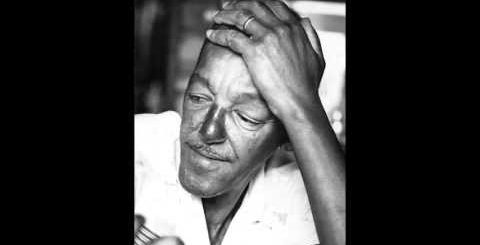
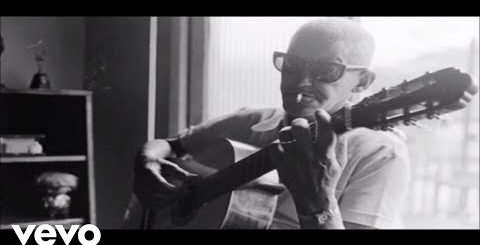
Samba is not just a dance or a genre of music. It’s the heart’s rhythm, and no one understood this better than Angenor de Oliveira, known as Cartola. His song ‘As rosas não falam’ is a masterpiece of emotion, weaving a tapestry of longing and love lost. It’s more than a song; it’s a philosophical musing set to music.
To understand ‘As rosas não falam’ is to delve into the depth of the human experience, to confront the often-unspoken feelings that linger in the corners of our hearts. Let’s journey through this timeless classic, unlocking the layers of meaning hidden in its verses.
The Symphony of the Seasons: More than Metaphors
Cartola masterfully uses the seasons as a metaphor for the cycles of love and life. The line ‘Pois já vai terminando o verão, enfim’ speaks to the transient nature of blissful moments. It is not just the summer that’s ending, but a chapter of warmth in the singer’s life, a metaphor for a love affair that might have been as brief as a season yet as impacting as the summer sun.
The cyclical return to the garden alludes to the heart’s relentless search for renewal against the backdrop of despair. It’s a reminder that even in the wilted petals of lost love, we are drawn to places of former joy, seeking solace, or perhaps a glimmer of what once was.
A Soliloquy with Silence: The Unheard Cries of the Heart
When Cartola confesses to the roses, admitting the futility—’Mas que bobagem, As rosas não falam’—he taps into an existential loneliness. It’s a profoundly human moment where one looks for understanding in the impossible, seeking comfort in nature, which, while beautiful, remains indifferent to human sorrow.
This acknowledgment of the roses’ silence is a subtle nod to our need to anthropomorphize the world around us, to fill the void left by an absent beloved. It reiterates the solitary nature of heartache, where often the only response is the echo of one’s own voice against the silence.
The Enigmatic Fragrance: A Hidden Meaning in ‘As rosas não falam’
Perhaps the most haunting aspect of the song is the personification of the roses—’Simplesmente as rosas exalam, O perfume que roubam de ti’. The roses become thieves of scent, a poignant metaphor for memories that persist after a loved one has gone. They are emblematic of the experiences and emotions that lovers take from each other, irrevocably altering the essence of who we are.
The idea that the roses have stolen their perfume from the beloved suggests an immortalization of love. It’s as if the very essence of the person lingers in ephemeral forms, reinforcing love’s lingering presence even in absence, in the trails of a scent that fades but never entirely disappears.
Eyes That Speak Volumes: The Song’s Most Memorable Lines
The invitation in ‘Devias vir, Para ver os meus olhos tristonhos’ is layered with vulnerability and unspoken pleas. The writer longs for his beloved to witness the effect of their absence in the windows to his soul—the eyes. It is both an indictment of neglect and a bid for empathy.
This line embodies the human desire to be seen, truly seen, by those we love. It’s a call for the beloved not only to gaze upon the physical manifestation of sorrow but to understand and share the dreams that have turned woeful—’E, quem sabe, sonhavas meus sonhos, Por fim.’
The Visual and the Visceral: Why ‘As rosas não falam’ Endures
Cartola’s melancholic melody swirls around listeners like the very perfume mentioned in the lyrics, drawing them into a bittersweet embrace. The song’s endurance in the annals of samba can be attributed to its relatable portrayal of love and loss, rendered through vivid imagery and raw emotion.
Its beauty lies not in offering resolutions or happy endings, but in the authentic expression of yearning and the acknowledgment of love’s complex and often painful nature. In doing so, ‘As rosas não falam’ achieves an almost cathartic resonance, allowing listeners to find solace in the shared experience of love’s ephemeral bloom.