Jimmy Jazz by The Clash Lyrics Meaning – Decoding the Rebel Hymn of the Streets
Lyrics
I said, “he ain’t here, but he sure went past
Oh, you’re looking for Jimmy Jazz”
Satta Massagana for Jimmy Dread
Cut off his ears and chop off his head
Police come looking for Jimmy Jazz
So if you’re gonna take a message ‘cross this town
Maybe put it down somewhere over the other side
See it gets to Jimmy Jazz, Jazz, say
Now tell the tale
Police come in they said
“Now, where’s Jimmy Jazz?”
I said, “hmm, he was here but, uh, he said, he went out
Who is it they’re lookin’ for?”
Jimmy Jazz, Jazz, Jazz, Jazz eh
Satta Massagana for Jimmy Dread
Cut off his ears and they’ll chop off his head
Oh, you’re lookin’ for
Jimmy Jazz, Jazz, Jazz, Jazz
What a relief
I feel like a soldier
Look like a thief
It’s for the Jazz
Police come lookin’ for the Jimmy Jazz
He came in and he went out
‘Cause now they’ll get him hanged for that
Jimmy Jazz, Jimmy Jazz
In fact
Don’t you bother me, not anymore
I can’t take this tale, oh, no more
It’s all around
Jimmy Jazz, Jazz
Z, Z, Z, Z
J-A-Z-Z, Z, Z, Z
J-A-Z-Z, J-A-Z-Z
J-A-Z, Jimmy Jazz
And then it sucks
He said, “suck that”
So go look all around, you can try your luck, brother
And see what you found
But I guarantee you that it ain’t your day
Your day, it ain’t your day
Chop, chop
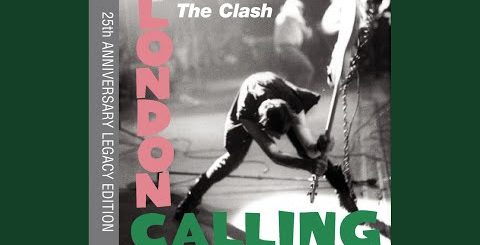
Buried in the eclectic punk rock operetta of The Clash’s heralded ‘London Calling’ album, ‘Jimmy Jazz’ emerges as a track shrouded in mystery and laced with dissent. The song’s seemingly whimsical saunter through the streets, with police in hot pursuit of the eponymous character, carries under its surface a powerful commentary on authority, rebellion, and the individual’s place within societal structures.
Unpack the deliberately fragmented narrative of a chase without beginning or end, ‘Jimmy Jazz’ dances on the edge of riddles and allegories. The throbbing baseline and Joe Strummer’s raspy tell-tale voice are not mere accompaniments but pivotal storytellers in this musical novelette. To peel back the layers is to understand the socio-political underpinnings of an era and the timeless message that resonates with the disenfranchised voices across generations.
Chasing Shadows: An Ode to the Anti-Hero
Jimmy Jazz is a figure of enigma, a ghostlike presence who flits through the song, always one step ahead of authority. The Clash, always prone to anti-establishment sentiments, crafts Jimmy as the quintessential anti-hero. In an age of punk defiance, Jimmy Jazz is not just a character; he’s a symbol of resistance, a projection of the man who won’t be pinned down, categorized, or owned. This track is not merely a story; it’s a stance against the pervasive social coercion of the time.
While the police’s relentless search for Jimmy Jazz showcases the omnipresence of the watchful state, Jimmy’s evasiveness underlines a deeper long for freedom. Everyone may ‘look for Jimmy Jazz’, but he’s nowhere and everywhere, suggesting that what authorities seek to suppress cannot be easily contained. The song captures the spirit of the Clash’s broader political commentary on liberty and identity in a stifled society.
Satta Massagana – The Hidden Rastafarian Link
A notable hook in this track is the phrase ‘Satta Massagana’ – a nod to the Abyssinians’ song of the same name, which is considered an anthem of the Rastafarian movement. In the context of ‘Jimmy Jazz’, Satta Massagana takes on a dual role. It’s not only a layered homage to reggae influences but serves as a call to unity and peace – juxtaposed against the aggressive backdrop of police action.
The song’s reference to ‘Jimmy Dread’, coupled with the violent imagery of ‘cut off his ears and chop off his head’, intertwines the message of ‘Satta Massagana’ with a stark portrayal of the extremes of state violence. Thus, it draws parallels between varied forms of systemic oppression, from Babylon to Thatcher’s Britain, and echoes The Clash’s alignment with the marginalized and the oppressed.
The Linguistic Labyrinth of Identity
A deeper dive into the song’s lyrical tapestry reveals a complex play on identity and anonymity. Strummer sings in riddles, repeating the name ‘Jimmy Jazz’ till it loses its anchor in identity and turns into a symbol. The constant interrogation of Jimmy’s whereabouts mirrors society’s desperate desire to label and fix an identity onto the elusive.
Moreover, the very rhythm of the name ‘Jazz’ mirrors the free-form and improvisational soul of jazz music – historically a vehicle for expression among those silenced. In staying elusive and refusing to be defined, Jimmy Jazz embodies the cultural motif of jazz, remaining an indelible enigma who dances to the music of his own making.
From Shadows to Soldiers: The Transformation Within
‘Jimmy Jazz’ uses the transformation of the self as a subtle metaphor for the evolution of the rebel. The transition of feeling ‘like a soldier’ to ‘look like a thief’ touches upon how society’s gaze can transform an individual’s identity, often casting dissenters as criminals in the politicized narrative.
This line crackles with The Clash’s characteristic punk rage, providing a commentary on the transformation demanded by circumstances. Becoming a soldier in the battle against normativity and then a thief in the eyes of society encapsulates the song’s thematic exploration of public perception and the masks one wears to survive, or perhaps to thrive, amid chaos.
‘It Ain’t Your Day’: The Unyielding Spirit of Rebellion
In the song’s fabric lies the refrain ‘Your day, it ain’t your day’, a challenge flung in the face of the oppressor. It defiantly declares that despite society’s persistent pursuit and the looming threat of ‘getting hanged’, the spirit of rebellion will not be quelled. The labyrinthine search for truth and freedom is not determined by the forces of control, and every day the outcast survives is a victory.
The finality of ‘chop, chop’ paired with the dismissive ‘suck that’ epitomizes the culmination of the track’s subversion. The Clash’s Jimmy Jazz, a concocted hero of the underground, leaves us with a sense of resilient optimism. In an unyielding toast to defiance, the song boldly states that rage against the system can be at once joyful, cryptic, and undying.