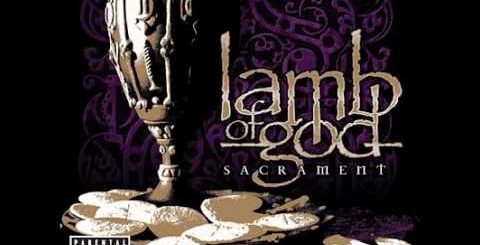
Ruin by Lamb of God Lyrics Meaning – Unraveling the Intricate Layers of Rebellion and Regret
Lyrics
Means the murder of self.
This is the resolution
The end of all progress
The death of evolution
It bleeds all life away.
Silence speeds the path to the streams of solace that run so few and narrow.
Brooks that babble the sounds of torture.
Sounds of torture
You will one day rise
To flood the banks of the chosen.
This is the art of ruin.
This is the resolution
The end of all progress
The death of evolution
It bleeds all life away.
It bleeds all life away.
I will show you all that I have mastered
Fear.
Pain.
Hatred.
Power.
This is the art of ruin
This is the art of ruin
This is the art of ruin
Lamb of God, the band notorious for their blistering riffs and guttural lessons in resilience, hits hard with ‘Ruin’—a track that stirs the soul as violently as it shakes the floor. The song is not just an auditory assault but a philosophical manifesto, dissecting themes of self-destruction and the fallacy of progress. It calls to question the very nature of existence and the societal constructs that bind the human spirit.
The lyrics, clear-cut yet rife with metaphor, delve into the tension between the need for personal validation and the obliteration of one’s essence—forging a harrowing narrative of the internal and external conflicts of life. This exploration dismantles the camouflage of complacency, and through melancholy riffage and wrath-enriched vocals, it declares a riot against the stagnant waters of human existence.
The Chorus – A Manifesto of Self-Annihilation
At the heart of ‘Ruin’ is its chorus—both an outcry and a grim declaration. The repetition of ‘the end of all progress, the death of evolution’ is not merely a defeatist slogan. It’s a spotlight on the irony of progress: the more we seek advancement, the more we lose ourselves in the melee. By skewering the arrow of progress, Lamb of God casts a sinister shadow over our strive for betterment, making us ponder whether we’re evolving or simply spiraling into oblivion.
Within this suffocating embrace of ‘progress,’ Lamb of God uncovers the fatal sacrifice we make—relinquishing the authenticity of our being for the illusion of growth. It’s a powerful reminder that our relentless push towards certain societal benchmarks might just be the anvil on which our individuality is crushed.
Decoding the Sounds of Torture
‘Brooks that babble the sounds of torture’—what a vivid, visceral image. Here, Lamb of God transforms nature, often seen as tranquil and healing, into a narrator of tormented tales. These waterways—symbols of life’s flow—now carry the anguish of souls stifled and silenced. The sounds of torture become the universal whispers, the collective suffering drowned out by the world’s deafening indifference.
However, in this darkness, there is a hint of revolution. The waters that babble the unbearable also hold the potential to rise, challenging the status quo. Through this, Lamb of God injects a ray of hope into the narrative—the oppressed may one day overthrow the ‘banks of the chosen,’ a calling for the downtrodden to reclaim their power.
A Tale of Resistance: Unpacking The Verse’s Potent Message
In declaring ‘I will show you all that I have mastered,’ the song’s protagonist reveals a journey laden with trials. It’s an anthology of personal mastery over the visceral human experiences of ‘fear, pain, hatred, power.’ Each word is an emblem of struggle, etching a roadmap of scars that tell stories of defiance and endurance.
These are not just emotions or states of being—they become weapons in the hands of those schooled in the art of ruin. Armed with the knowledge gleaned from their trials, the protagonist stands ready to challenge the paragons of destruction, potentially turning their own learned lessons against the architects of their downfall.
The Art of Ruin Dissected: Navigating the Song’s Hidden Meaning
‘This is the art of ruin’—the mantra repeated thrice for emphasis, weaves a tapestry of destruction as a learned craft. It is a sinister suggestion that the cycle of ruination is a crafted skill, an art form that humanity has become adept at. The song’s relentless aura purveys a chilling reminder of how organized and methodical the processes of self-sabotage and societal detriment can be.
And yet there is ambiguity in the intention—’art’ implies creation as much as destruction. Perhaps, in learning the art of ruin, one learns also the power to rebuild, redesign, or even resist. Is Lamb of God advocating an understanding of the paths to devastation as a means to navigate through them, or is it a grim acceptance of inevitable decay? The genius lies in the duality.
Echoes of Rebellion: The Most Quotable Moments
‘It bleeds all life away.’ This succinct and recurring line stands tall amidst the lyrical labyrinth of ‘Ruin.’ Its stark simplicity delivers an arresting blow to the notions of vitality and progress. The metaphor of bleeding encapsulates a slow, persistent loss—a life force ebbing away as the constraints of societal expectations or personal ambition cut deep.
Lines such as these hallmark Lamb of God’s lyrical prowess—incisive, emotive, and layered with meaning. Every echo of ‘this is the art of ruin’ is a hammer strike against the anvil of complacency. It’s a war cry for the disillusioned and a rallying point for those who find profound connection in the darkness of Lamb of God’s musical forge.