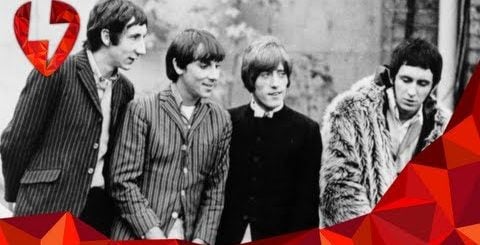
The Seeker by The Who Lyrics Meaning – A Quest for Truth in a Tumultuous Era
Lyrics
I’ve looked under tables
I’ve tried to find the key
To fifty million fables
They call me The Seeker
I’ve been searching low and high
I won’t get to get what I’m after
Till the day I die
I asked Bobby Dylan
I asked The Beatles
I asked Timothy Leary
But he couldn’t help me either
They call me The Seeker
I’ve been searching low and high
I won’t get to get what I’m after
Till the day I die
People tend to hate me
‘Cause I never smile
As I ransack their homes
They want to shake my hand
Focusing on nowhere
Investigating miles
I’m a seeker
I’m a really desperate man
I won’t get to get what I’m after
Till the day I die
I learned how to raise my voice in anger
Yeah, but look at my face, ain’t this a smile?
I’m happy when life’s good
And when it’s bad I cry
I’ve got values but I don’t know how or why
I’m looking for me
You’re looking for you
We’re looking in at other
And we don’t know what to do
They call me The Seeker
I’ve been searching low and high
I won’t get to get what I’m after
Till the day I die
I won’t get to get what I’m after
Till the day I die
The Who’s thunderous track, ‘The Seeker’, is a raucous anthem of restless inquiry, echoing the sentiments of a generation caught in the turbulent tide of the late ’60s and early ’70s. More than a mere song, it’s a profound statement on human restlessness, the ceaseless quest for understanding in a rapidly changing world, and the inherent disillusionment that comes with the search for meaning in an era of cultural revolution.
With its driving guitars and Roger Daltrey’s impassioned vocals, ‘The Seeker’ wears its message on its sleeve – a renegade’s pursuit that mirrors the zeitgeist of its age. The song’s lyrics, electrified by the band’s rock sensibilities, create a vibrant tapestry of themes that are as relevant today as they were when Pete Townshend penned these searching lines.
The Unending Odyssey: A Dive into ‘The Seeker’s’ Restlessness
Within the opening lines of ‘The Seeker’, there is a palpable sense of urgency, a pervasive restlessness that defines the character known as The Seeker. The repeated actions of looking under chairs and tables, and the quest for the proverbial key, form a metaphor for the human condition, encapsulating our endless pursuit of the answers to life’s biggest questions.
This search for understanding did not exist in a vacuum, however. It was set against the backdrop of a society teeming with new philosophical narratives and radical shifts in cultural paradigms. The song speaks to that feeling of cosmic searching we all experience – an existential scavenger hunt where our very identity and purpose are the elusive treasures.
A Rolodex of Icons: Dylan, The Beatles, and Leary
In its lyrical pilgrimage, ‘The Seeker’ name-drops towering figures of counterculture. Bob Dylan and The Beatles are conjured as arbiters of truth, representing the musicians who shaped a generation’s thoughts and spirituality. And then there’s the high priest of psychedelia, Timothy Leary, whose philosophies infiltrated the minds of youth, spurring them towards enlightenment through expanded consciousness.
Yet, all seem to fail in providing The Seeker with the answers he craves. This invocation of cultural deities, only to reveal their insufficiency, is a powerful statement on the inherent limitations of looking outward for personal enlightenment. It speaks volumes of the era’s mood – a longing for legends, and the eventual recognition that they, too, are merely wayfarers on the same tumultuous journey.
Seeking More Than Smiles: The Emotional Toll of The Quest
The Seeker isn’t greeted with open arms; his relentless questioning and stoic demeanor alienate him, earning animosity rather than admiration. His refusal, or perhaps inability, to conform to social norms of happiness and contentment paints a vivid picture of the emotional sacrifice that comes with seeking the raw truth.
His presence is perturbing, his determination unnerves – because he symbolizes the uncomfortable confrontation with what’s beneath the surface of societal facades. His anger and tears show a person in touch with the raw spectrum of human emotion, turning away from superficial values, yet confused about the direction of true righteousness.
The Paradox of the Personal Pilgrimage: The Seeker’s Hidden Meaning
At its core, ‘The Seeker’ may be as much about the collective disillusionment with the world’s proposed truths as it is about the individual’s inner confusion. It raises the silence that follows the noise of inquiries – the space where each of us must confront the reality that the most profound truths might just be birthed in the quiet after the questions run out.
This hidden depth serves as a mirror, reflecting an existential dichotomy: the more we seek externally, the further we may find ourselves from our internal essence. It highlights the quiet realization that the answers we passionately chase may actually reside within the shores of our own being.
Memorable Lines Echoing Across Decades
‘I’ve got values but I don’t know how or why’. This poignant confession encapsulates so much of ‘The Seeker’s’ enduring allure. It’s a line that resonates, suggesting an adherence to principles without understanding their foundation or their destination – a sentiment that reverberates through time, mixing personal strife with philosophical ponderings.
It is lines like these that brand ‘The Seeker’ as an anthem not just for one generation but for all who have wrestled with life’s great mysteries. As we cross the song’s finish line, we are left with the disquieting but strangely comforting thought – maybe the search is the purpose, the quest, itself, the answer.